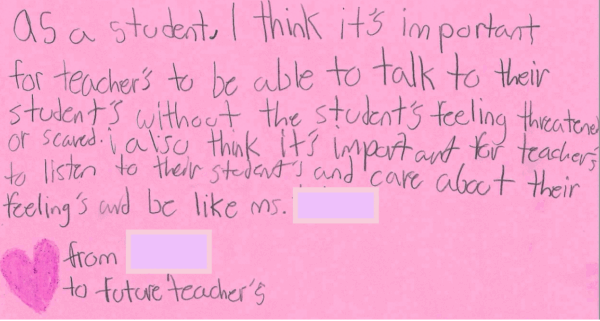
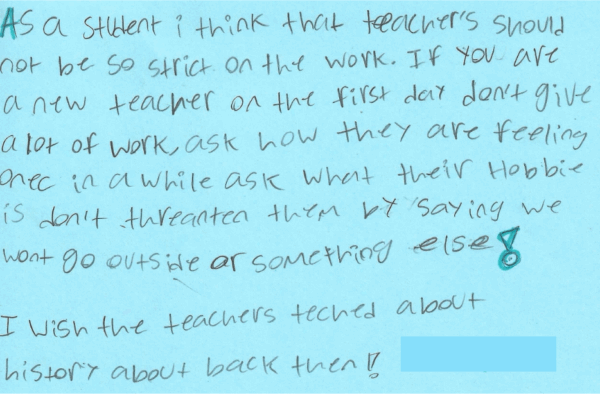
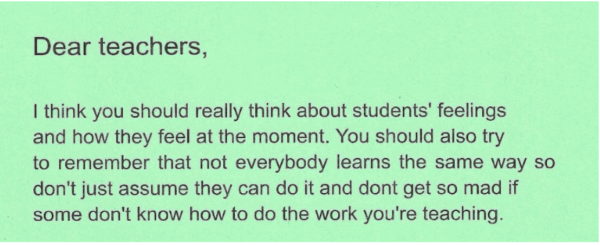
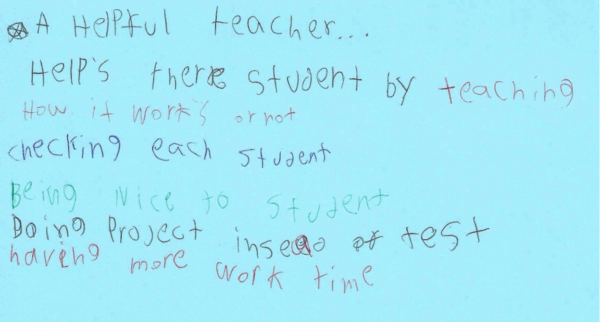
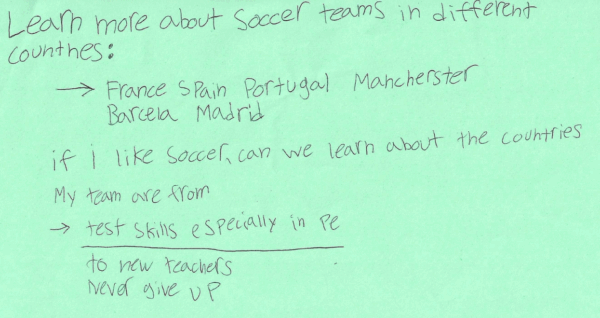

 “These are difficult and beautiful times to be a teacher… We can all feel beaten down, exhausted, and hopeless. These are times to remember our power as teachers. In no other profession do people have the opportunity to literally create a parallel world– a world that is safer, fairer, freer. The four walls of your classroom can be the world we want, hope for, dream of, rather than the world we have now. It can allow children to practice the skills they need to create and to sustain a place where people are neither shunned nor labeled; a shared, public place in which every community member is treated as a free person, an invaluable person, a gifted and good and loved person.”
Carla Shalaby, Troublemakers: Lessons in Freedom from Young Children at School (2017), p. 181
The Integrated Curriculum for Vermont Educators (ICVE) was born out of the Series 2000- Education Quality Standards (EQS) that went into effect July 1, 2025, and the meaningful work of the Act 1 Working Group of 2019. The EQS states, “all Vermont students are afforded educational opportunities that are substantially equal in quality and are equitable, anti-racist, culturally responsive, anti-discriminatory, and inclusive.” What this looks like in theory and how to bring it to life in public education can feel overwhelming. We offer ICVE as one example of how it could look.
The Integrated Curriculum for Vermont Educators is a gift to educators to support this continual work in creating learning spaces that are inclusive, academically challenging, and full of joy. At the center of the ICVE circle, in the hexagon, is the Integrated Curriculum. The Integrated Curriculum is our vision for what teaching and learning might look like when we start with educational equity at the center of the design process.