
An Interview By Darthula Mathews, Krystal Bravo, and Clyde Cole
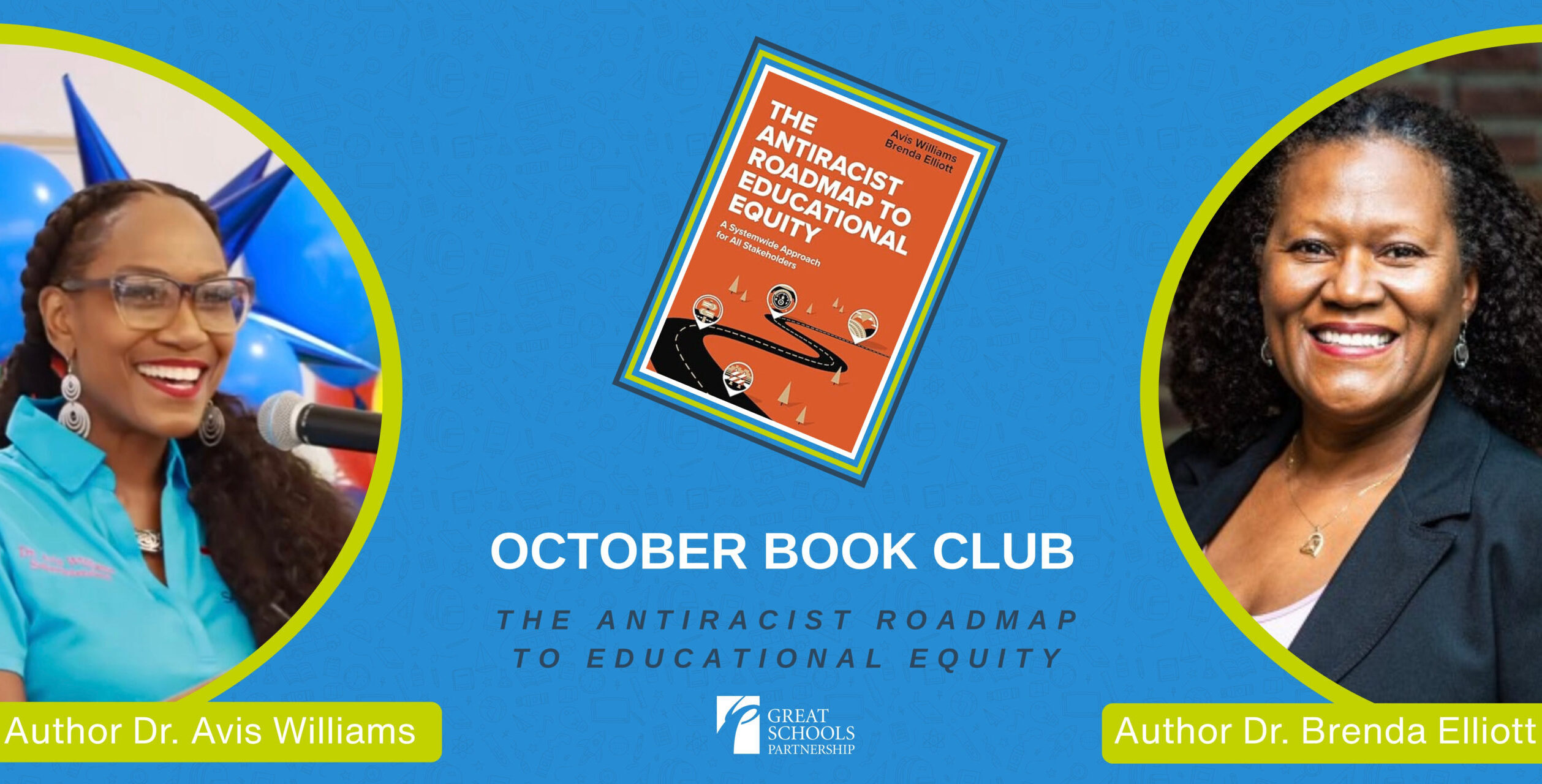
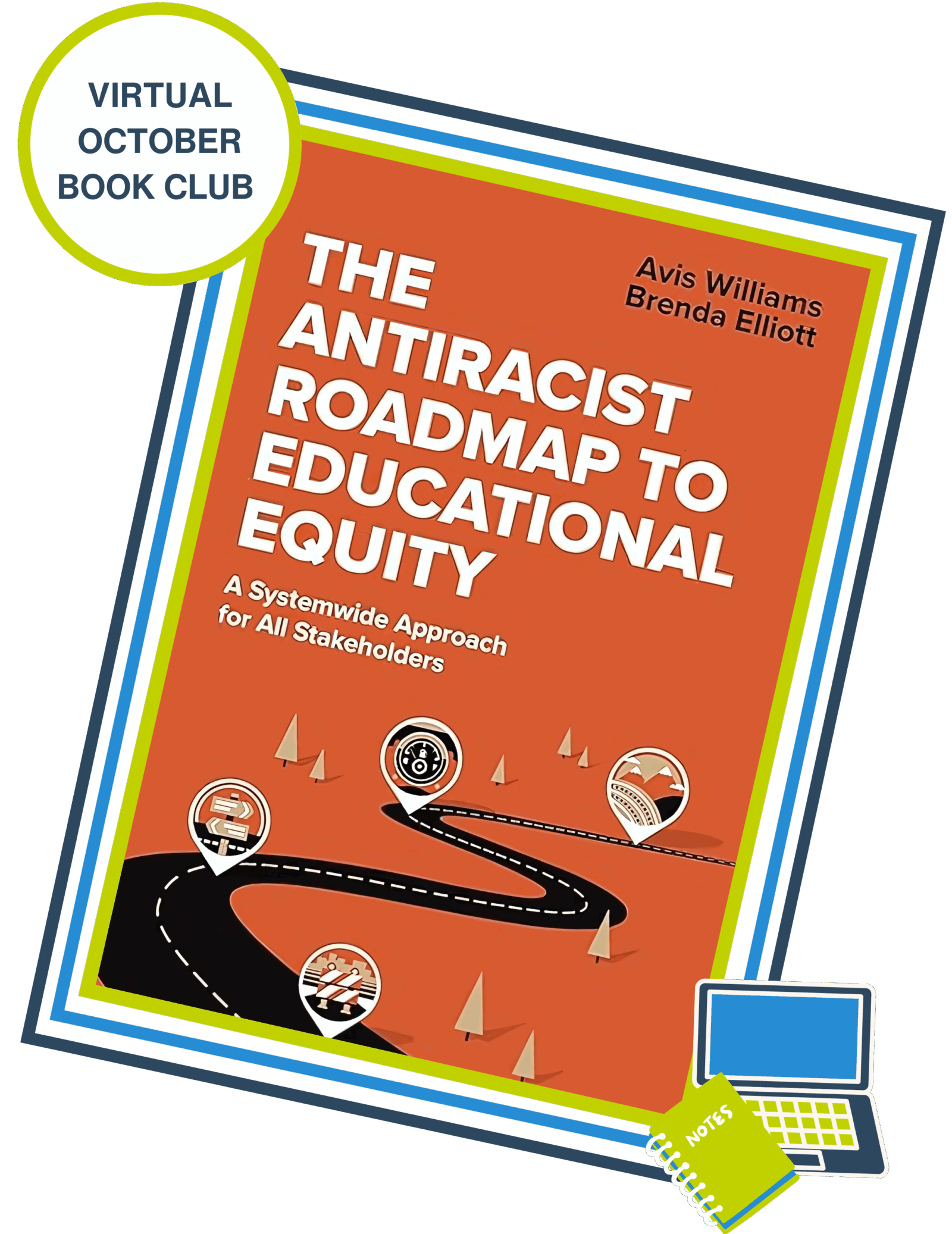
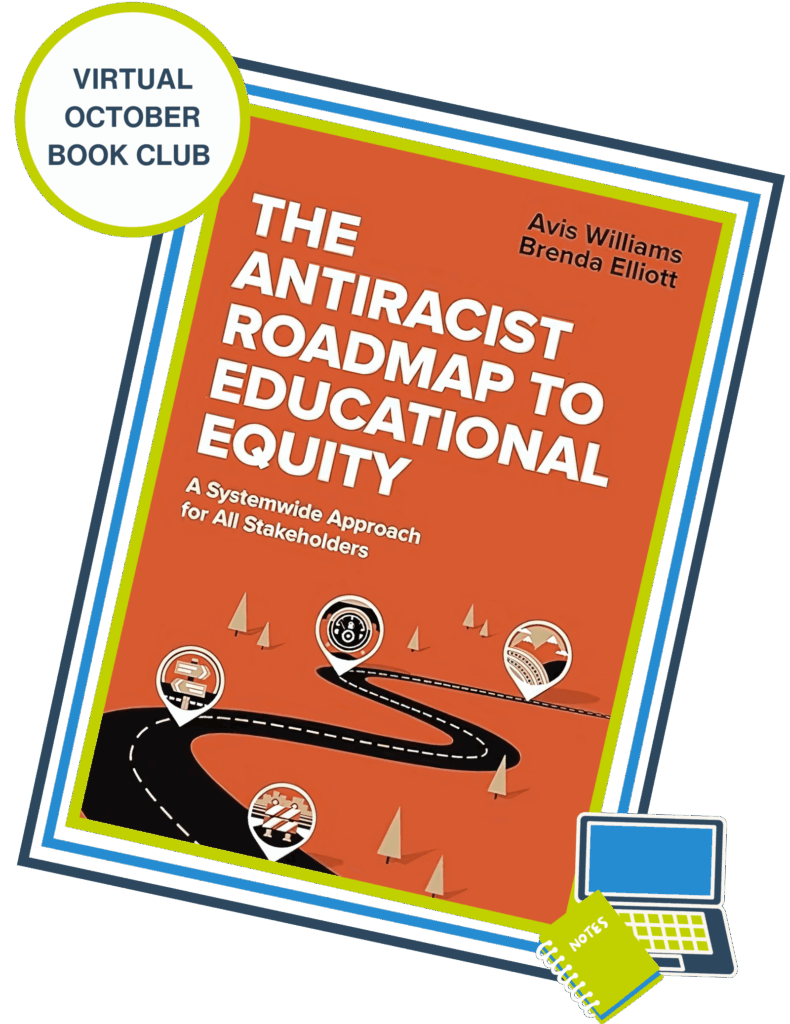
This fall, Great Schools Partnership is hosting a book club featuring “The Antiracist Roadmap to Educational Equity: A Systemwide Approach for All Stakeholders” by Dr. Avis Williams and Dr. Brenda Elliott. Ahead of the series, book club facilitators Clyde Cole, Krystal Bravo, and Darthula Mathews sat down with the authors to discuss the inspiration behind the book, what it means to lead with an antiracist lens, and how educators can take part in the journey.
Q1. What inspired you to write The Antiracist Roadmap to Educational Equity, and what gap in education were you hoping to fill? Why now?
Dr. Avis Williams
Bren and I first worked together in Guilford County Schools on equity work, something quite new to me at the time. Many of the districts I’d been in didn’t have a clear equity lens, so that experience was eye-opening. During the pandemic, we reconnected via Sunday brunch Zooms. It began as a way just to stay in touch and even have some fun, but after George Floyd’s murder, those conversations shifted. There was a “heaviness.” We asked: What does it really mean to lead through an antiracist lens? What would it take for schools and systems to do that well? We concluded that the approach must be systemic, involving everyone, including teachers, students, families, and the central office. That’s how the roadmap idea took shape.
For me, being superintendent in Selma, Alabama, a place steeped in civil rights history, made clear that if this work can happen there, it can happen anywhere. The book reflects a journey mindset. It’s a marathon, not a sprint. Writing it during this moment of racial reckoning was our response, a way to navigate the moment and help others do the same.
Q2. For the readers, how would you define an “antiracist roadmap”?
Dr. Brenda Elliott:
If you’re connected to education, you’re probably thinking about removing barriers that prevent equitable outcomes for all children, those barriers often tied to race, but also socioeconomic status, gender, and other social constructs. A roadmap means structuring the journey toward educational equity: knowing where you are now, where you want to go, and how you’ll get there. In the book, we use travel metaphors: landmarks (strategies), shortcuts (quick wins), roadblocks (barriers), and rest stops (reflection and restoration).
Dr. Avis Williams:
We wanted something more than abstract ideas. The metaphor gave us concrete ways to think about what schools and systems do. It helps people see that this is ongoing work, planning, reflecting, adjusting, not a one-and-done item on a checklist.
Dr. Brenda Elliott:
If you’re connected to education, you’re probably thinking about removing barriers that prevent equitable outcomes for all children, those barriers often tied to race, but also socioeconomic status, gender, and other social constructs. A roadmap means structuring the journey toward educational equity: knowing where you are now, where you want to go, and how you’ll get there. In the book, we use travel metaphors: landmarks (strategies), shortcuts (quick wins), roadblocks (barriers), and rest stops (reflection and restoration).
Dr. Avis Williams:
We wanted something more than abstract ideas. The metaphor gave us concrete ways to think about what schools and systems do. It helps people see that this is ongoing work, planning, reflecting, adjusting, not a one-and-done item on a checklist.
Q3. Why is it important to use a systemwide approach when doing antiracist work?
Dr. Brenda Elliott:
In my doctoral work, I studied over 50 districts to see how equity officers approached racialized achievement gaps. What became clear is that because racism is embedded in multiple systems (education, housing, employment, etc.), interventions must be systemic. Individual efforts or classroom changes are important, but they aren’t enough for lasting change. Everyone must be involved: leadership, educators, families, and communities.
Dr. Avis Williams:
Yes, and in all my experience, large urban districts or small rural systems, the districts that succeed are those that align policy, culture, structures, and leadership. If equity is isolated in one department or person, it tends to fall apart. Systemwide commitment is not optional; it’s essential.
Q4. Which stakeholder group is often overlooked in equity work, and how can we better engage with them?
Dr. Avis Williams:
Students are too often overlooked. We serve them, we plan for them, but we don’t always listen to their voices. When I was superintendent in New Orleans, we started a student advisory council and a podcast called Voices of Future Leaders. I insisted: “You’re not just future leaders, you’re leaders now.” Their insights about support, belonging, what works, and what doesn’t, those are critical.
Dr. Brenda Elliott:
I’d add parents and families. Schools often ask for input, but that’s not the same as sharing power. Co-creation matters. When parents and communities are partners in designing solutions, the work is stronger and more sustainable. Equity requires power sharing and trust, which many systems still have to build.
Q5. What needs to happen first in schools to make this work successful — shifting culture or addressing policy?

Dr. Avis Williams
Culture is foundational. You might set ambitious policies, but without a culture of inclusion, trust, and belonging, even strong policies are not enough to sustain continuous progress. Leaders are the filter: how they talk, what they prioritize, and how they model behavior matters a lot. Culture sets the expectations: how success is defined, how people are seen and valued, and how collaboration and communication happen.
Dr. Avis Williams
Culture is foundational. You might set ambitious policies, but without a culture of inclusion, trust, and belonging, even strong policies are not enough to sustain continuous progress. Leaders are the filter: how they talk, what they prioritize, and how they model behavior matters a lot. Culture sets the expectations: how success is defined, how people are seen and valued, and how collaboration and communication happen.
Dr. Brenda Elliott
Structures and policies are also necessary; they reinforce culture. But start with awareness. Ask, “Where are we now?” and “Where are we trying to go?” Use that grounding to guide what policies need change and what structures need support. When culture and policy are aligned, change becomes possible.
Q6. What are common barriers to implementing antiracist practices, and how does the roadmap address them?
Dr. Brenda Elliott
Our current political climate is a significant barrier to doing the work that would get us closer to educational equity. In some places, equity work is under scrutiny, restrictions on language or programs, or backlash. Another is community engagement: many see it as complicated or risky. But engaging families and students is often part of the solution, especially when they are leading and naming what isn’t working.
Dr. Avis Williams
Also, funding. Some equity work loses momentum when financial resources dry up. But I often say, ‘Find a way or make a way.’ Let data help you build the case. Disaggregate outcomes, ask hard questions: Why are certain students not succeeding? What are our blind spots? The roadmap doesn’t just list roadblocks; it offers shortcuts and ways through, including moments of reflection and restoration when the journey gets hard.
Q7. What lessons did you learn about your own journey toward antiracist practices while writing the book?
Dr. Avis Williams
I realized how large and complex this work is. At times, it was overwhelming: the history, the scale, the depth of inequity. But I also affirmed something I already believed: it’s not on one person alone. Shared responsibility, collective action, coming together with others committed, that’s what sustains progress.
Dr. Brenda Elliott
For me, one of the most powerful realizations was about “future dreaming.” We need imagination to envision what schools could be, not only to critique what they are. And we need to involve students, staff, and families in imagining that future. Only then can we plan backward with clarity and purpose.
Also, there’s hope in small groups. Margaret Mead’s reminder, “Never underestimate the power of a small group of committed people to change the world. In fact, it is the only thing that everyone has,” has anchored me. Small groups who lean in matter. They move things forward.
Join the Journey: Antiracist Roadmap Book Club
The Antiracist Roadmap to Educational Equity isn’t just a book. It’s a call to action. We invite you to explore it with us this fall in the Antiracist Roadmap Book Club, Thursdays in October, 4-5:15 ET. You will be part of five guided online sessions, with the opportunity to speak directly with Dr. Avis Williams and Dr. Brenda Elliott about their book.
Who should join:
- Educators
- Leaders
- Community members
- Families
Anyone committed to creating more just, inclusive, and antiracist schools and systems!

There is no roadmap without travelers. We hope you’ll bring your voice, your experiences, and your commitment. Together, we can map a future where every student belongs, every system works for equity, and the journey is both courageous and possible.
Join the Journey: Antiracist Roadmap Book Club
The Antiracist Roadmap to Educational Equity isn’t just a book. It’s a call to action. We invite you to explore it with us this fall in the Antiracist Roadmap Book Club, Thursdays in October, 4-5:15 ET. You will be part of five guided online sessions, with the opportunity to speak directly with Dr. Avis Williams and Dr. Brenda Elliott about their book.
Who should join:
- Educators
- Leaders
- Community members
- Families
Anyone committed to creating more just, inclusive, and antiracist schools and systems!
Meet the Authors
Dr. Avis Williams
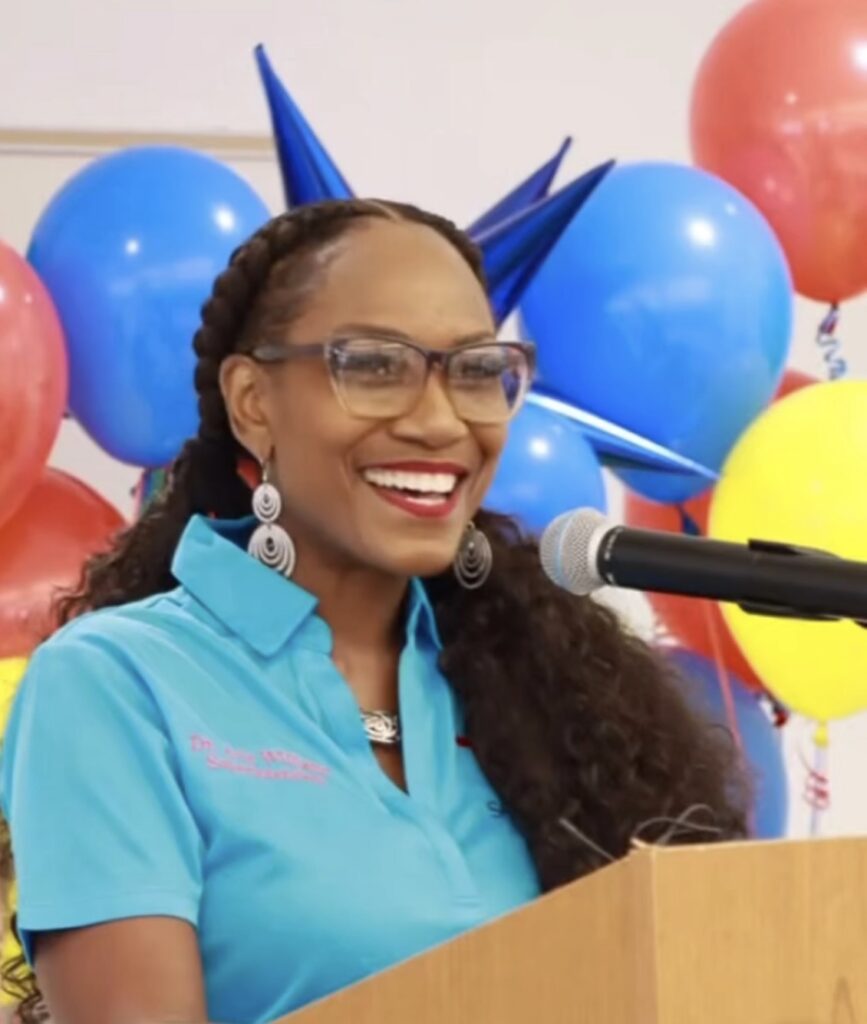
Dr. Avis Williams is the former Superintendent of NOLA Public Schools in New Orleans, and was the first woman to hold that role. Before this, she served as superintendent in Selma City Schools in Alabama, where she helped lift the district out of state intervention, increased graduation rates, improved reading and math outcomes, and focused on strengthening school culture and community partnerships. She holds bachelor’s, master’s, and doctorate degrees in educational leadership, and has over 20 years of experience in roles ranging from teacher and coach to principal and district leader. Her work has been recognized with numerous awards, including for her leadership in Alabama and for her contributions to equity, innovation, and community engagement.
Dr. Avis Williams is the former Superintendent of NOLA Public Schools in New Orleans, and was the first woman to hold that role. Before this, she served as superintendent in Selma City Schools in Alabama, where she helped lift the district out of state intervention, increased graduation rates, improved reading and math outcomes, and focused on strengthening school culture and community partnerships. She holds bachelor’s, master’s, and doctorate degrees in educational leadership, and has over 20 years of experience in roles ranging from teacher and coach to principal and district leader. Her work has been recognized with numerous awards, including for her leadership in Alabama and for her contributions to equity, innovation, and community engagement.
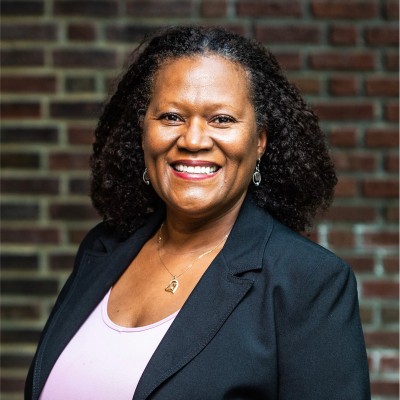
Dr. Brenda (“Bren”) Elliott has spent over three decades as a public school educator, serving in various capacities, including teacher, principal, principal supervisor, and central office leader. She was the first chief of equity for DC Public Schools (DCPS), training over 3,000 DCPS employees on how to create a more equitable student experience. Over the past ten years, she has led large, complex, urban and suburban district initiatives that demand strategic alignment across central office teams and strong collaboration with community partners. Dr. Elliot has served as an adjunct professor at American University’s Antiracist Administration, Supervision, and Leadership graduate certificate program. Before her time in education, Dr. Elliot was an officer in the United States Army, where she completed 10 years of military service.
Dr. Brenda (“Bren”) Elliott
Dr. Bren Elliott has spent over three decades as a public school educator, serving in various capacities, including teacher, principal, principal supervisor, and central office leader. She was the first chief of equity for DC Public Schools (DCPS), training over 3,000 DCPS employees on how to create a more equitable student experience. Over the past ten years, she has led large, complex, urban and suburban district initiatives that demand strategic alignment across central office teams and strong collaboration with community partners. Dr. Elliot has served as an adjunct professor at American University’s Antiracist Administration, Supervision, and Leadership graduate certificate program. Before her time in education, Dr. Elliot was an officer in the United States Army, where she completed 10 years of military service.