
Family engagement in schools is a Community Engagement priority that brings families into the school community, so families have the supports they need to ensure their students can not only succeed in their learning, but feel safe and seen in school.
These practices center families, focusing on how best to support them, and highlighting the unique ways they can contribute to schools and districts.
Family engagement in schools is an essential part of our work at Great Schools Partnership. In this blog, we will explore the family engagement efforts of Revere Public Schools.
What Is Family Engagement in Schools?
Family engagement in schools goes beyond your typical newsletter, conferences, and volunteering. It is seen as a partnership between schools and families.
Through family engagement, trusting relationships with families are ongoing. Families are seen as essential to their child’s learning and success.
Family engagement can look different from school to school, sometimes taking the form of family-focused communities of practice, Community School initiatives, and Family Liaison teams. Often, these efforts also pull in community organizations focused on family support.
At GSP, we know that when schools and families come together intentionally, a shift in the school community accelerates student success. That is the belief at the heart of the first Revere Family Liaison workshop of the school year.
How Does Family Engagement Work in Practice?
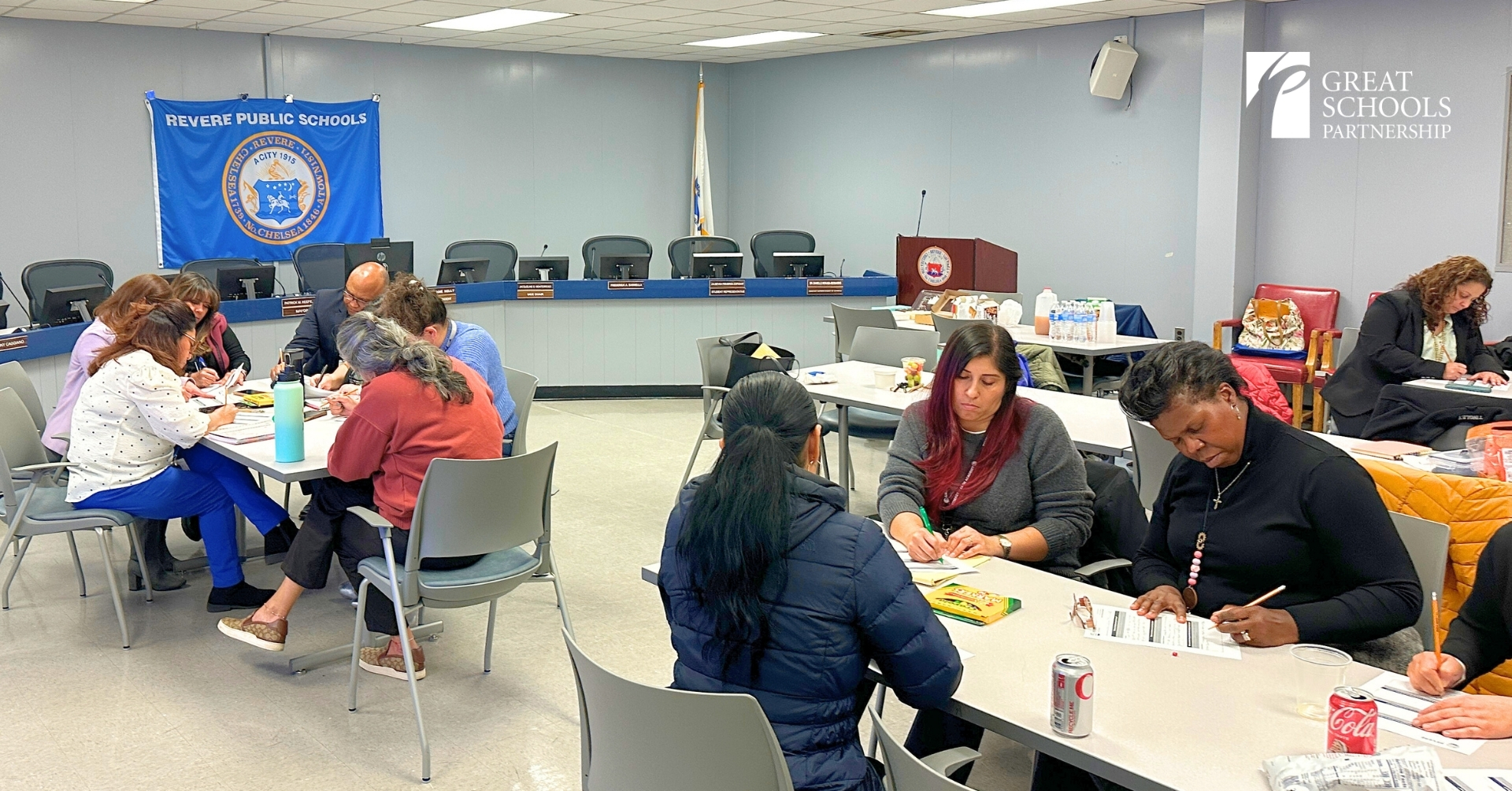
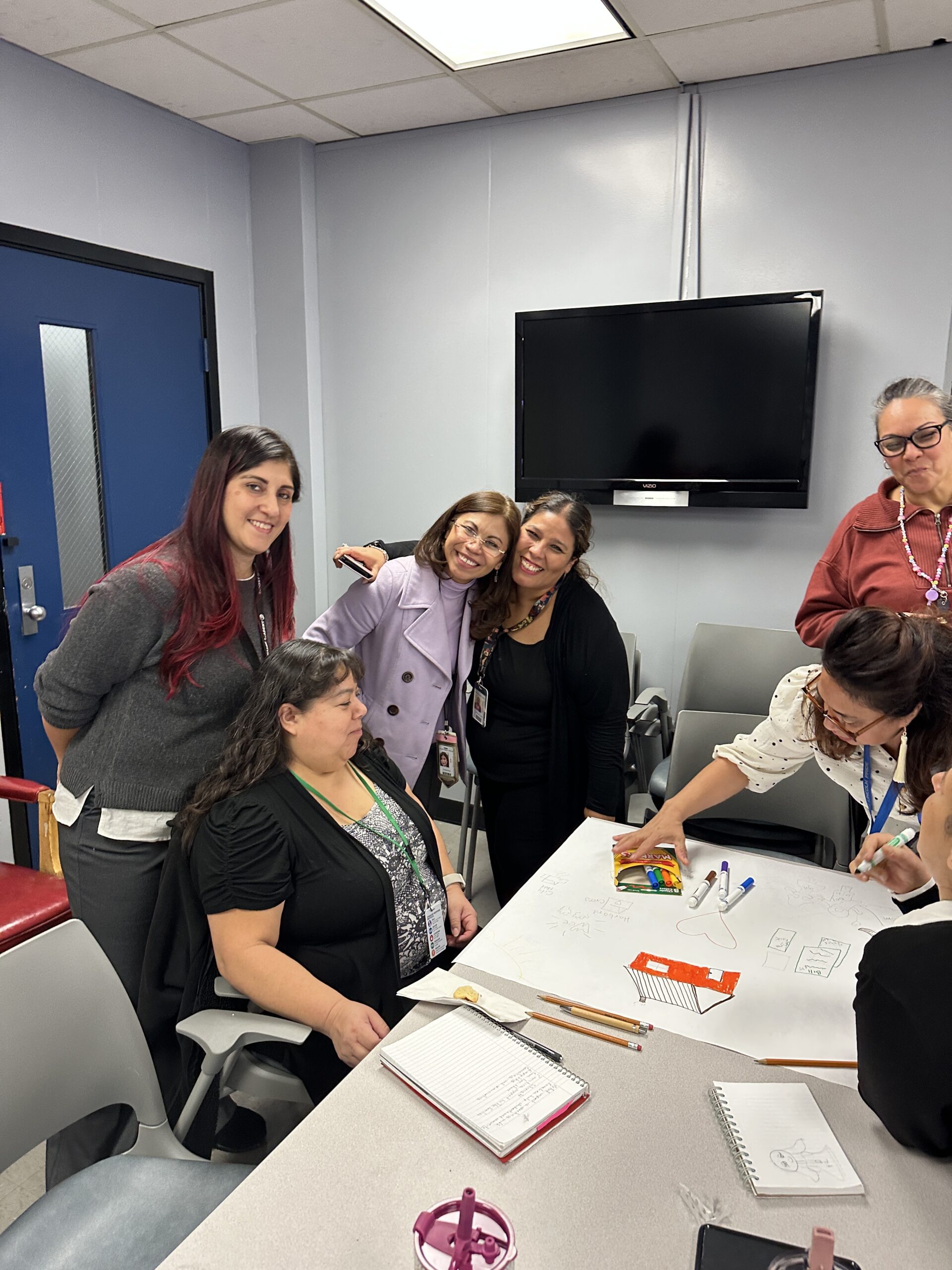
In early November, members of the Revere Family Liaison Team came together with a collective purpose: to plan meaningful engagement strategies that would guide their work. The team understood that, for family engagement in schools to be effective, family liaisons needed to be grounded in their own personal beliefs about why this work matters.
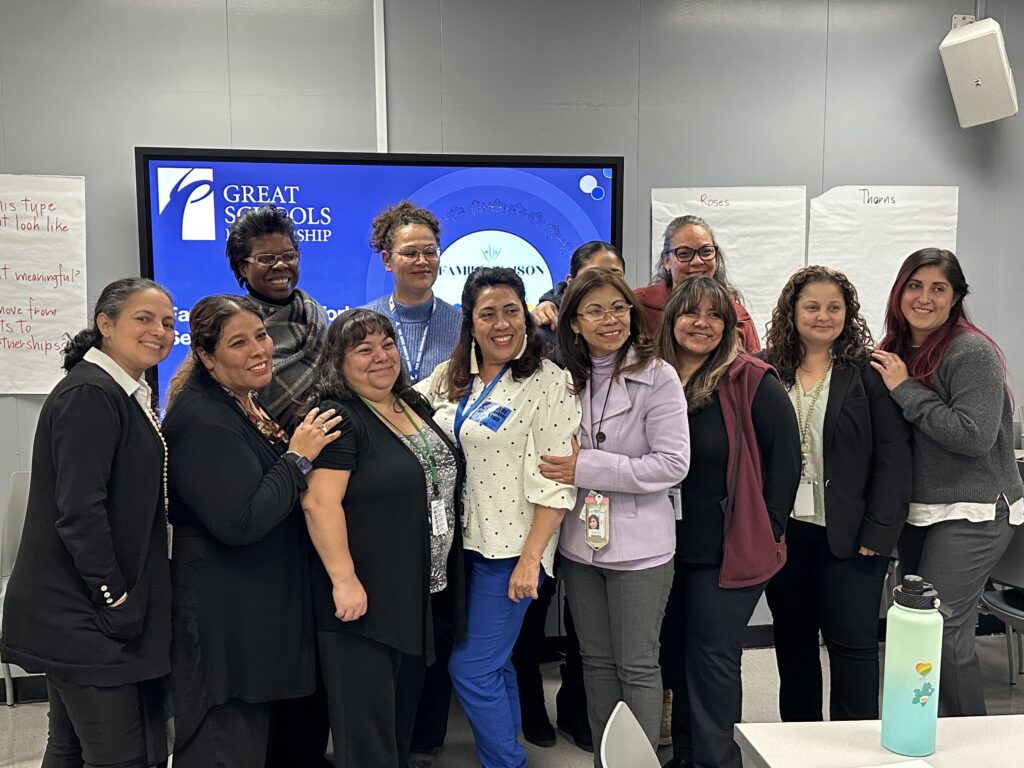
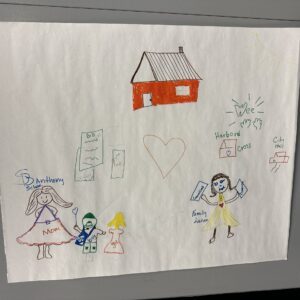
Each liaison had an opportunity to share their “why,” illustrating what fuels their passion and purpose for family engagement. They shared stories about families they have worked with and supported, and expressed their desire to create a welcoming school community.
For example, one liaison shared that, during a casual conversation at school drop-off, they learned that a father was a DJ. Months later, when the school began planning its dance, she remembered that moment and reached out.
The father didn’t just attend. He volunteered to DJ the event. This small interaction illustrates the power of authentic family engagement.
By recognizing families as experts with skills and talents, schools can move beyond engaging parents as passive recipients of information or occasional chaperones. Inviting this father to participate in a meaningful way strengthened his connection to the school and enriched the community as a whole.
How Do Schools Build Family Engagement Practices?
With a common understanding that this work is not impactful without relationships, the liaisons were ready to engage and build with one another. Having “Beyond the Bake Sale” at the center of their learning, liaisons explored what it means to partner with families.
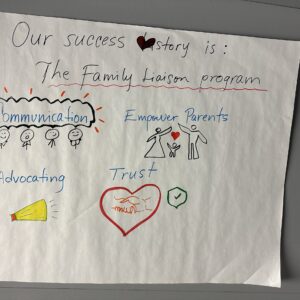
Instead of focusing solely on caregiver communication and event attendance, liaisons brainstormed ways to engage families in relational, purposeful, and mutually empowering ways.
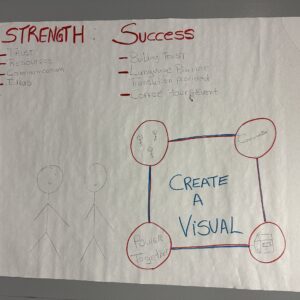
In small groups, they focused on building trust, sharing power, how to link engagement to student learning, and supporting family advocacy. Together, they discussed that family engagement must be meaningful: it should not be just a lecture from school staff, but an opportunity to connect families to learning, honor their cultures, and create pathways for them to play a role in the school community.
What Strategies Improve Family Engagement?
Larger planning, which focused on equity-centered outreach, came next. How can we as Family Liaisons ensure every family, regardless of language, culture, schedule, or circumstance, has a place in our school community?
Liaisons spent some time analyzing who is currently engaged in their schools and who is missing.
Using the tools from the workshop, they brainstormed strategies to improve outreach, reduce barriers, and create a more welcoming environment. A barrier that arose during the discussion, preventing some families from participating in events or meetings, is childcare. When childcare is not provided, it is hard for some families to attend.
One of the strategies included connecting with community-based organizations to provide additional resources or connections to the school, whether it be childcare during events or being a resource to address families’ needs.
Other strategies included conducting home visits, providing engagement opportunities connected to student learning, and holding events in the community.
How Do Family Liaisons Set Goals for Engagement?
At the end of the session, the family liaison team engaged in some personal reflection and goal setting. They each reflected on their personal goals for the year, potential barriers they may face, and the support they need to succeed. Each liaison shared one action they will commit to over the next month to strengthen school and family relationships.
This not only gave them an opportunity to share with their team but also a chance to be accountable to one another. The session closed with an appreciation circle, which served as a reminder of the supportive network within their team and the shared mission of meaningful family engagement.
How Can Your School Start a Family Engagement Practice?
If you are ready to build family engagement into your school community, GSP has the tools and coaches to help. A great place to start is our Community Engagement Toolkit. It offers equitable ways to build family and community engagement in your school.
If you feel inspired or want to know more about how GSP can help you build a family liaison practice at your school, visit our contact page or send us an email at info@greatschoolspartnership.org.

Krystal Bravo is a Coaching Associate with Great Schools Partnership. Krystal began her career working with inner-city youth and families as the Director of Mentoring for a non-profit organization, and she began working in schools supporting overaged and under-credited students as a Graduation Specialist.
Krystal earned her BA in Journalism with a Minor in African-American Studies from UMASS, Amherst. She obtained her Master’s Degree in Human Services and Master’s Degree in Clinical Counseling from Bellevue University in Nebraska.
Prior to her role as a Coaching Associate, she worked as a Family Engagement/School Climate Specialist. In this role, she worked closely with administrators and the Director of Equity & Inclusion to collaborate on ways to build community, address systemic issues, and regularly assess the climate and culture of the school environment through surveys, student/family focus groups, and feedback.