
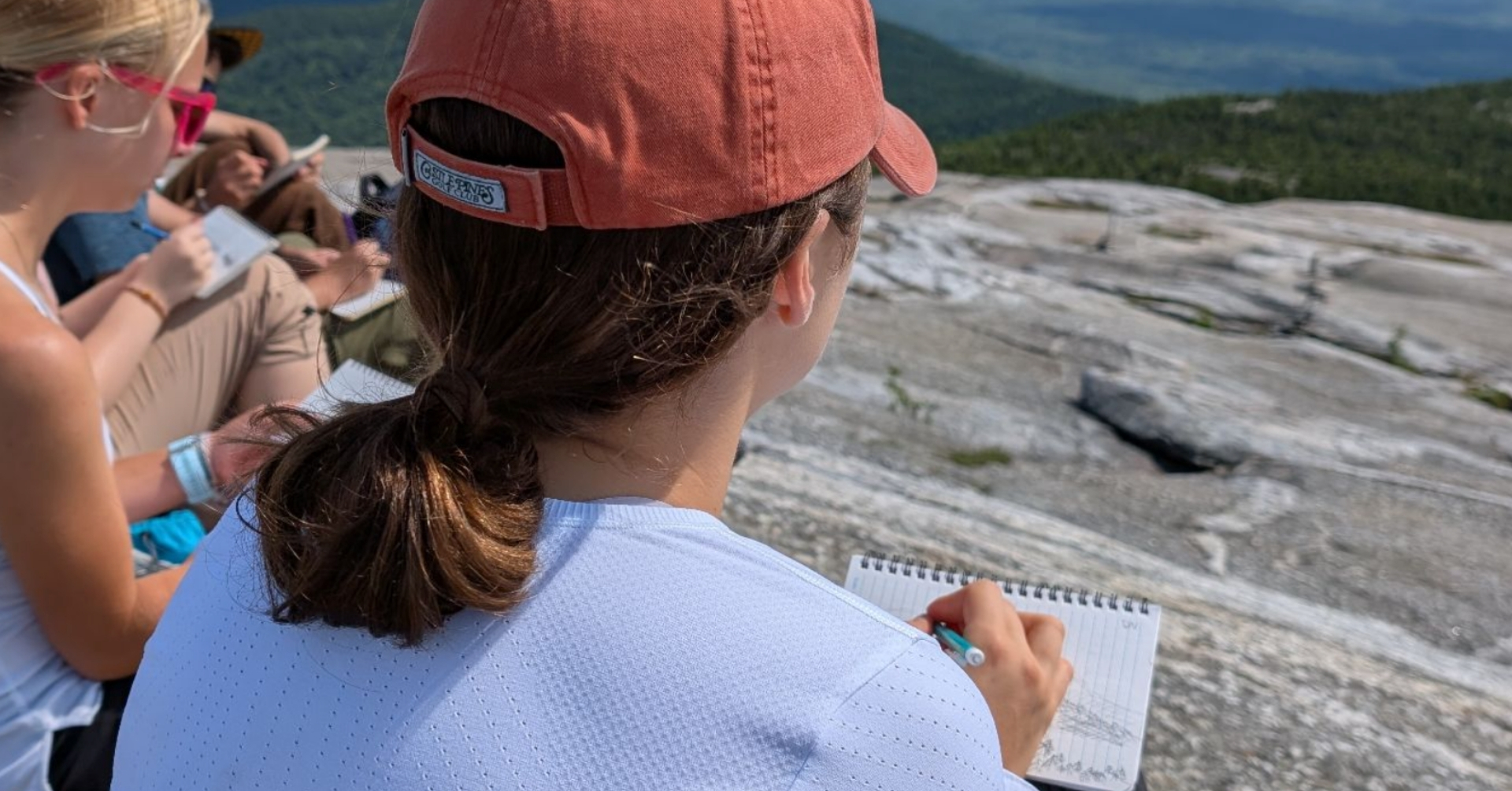
The most memorable moments in my career as an educator, the high points that I return to and reflect on, the moments where I have thought “this is it – this is learning at its best,” these moments have come from outdoor learning, education happening in nature beyond the confines of the classroom walls.
These moments include exploring bogs in mud boots, ascending mountains for the first time, trying local cuisine, sharing stories around the campfire, and asking questions about observations. These moments push students to grow, introduce new places, spaces, and people, and build a strong sense of connection and community. In my experience, the effort of getting students outside and learning with nature as their backdrop provided immediate, meaningful, and impactful learning opportunities.
While these powerful learning experiences have occurred in many different settings for me, I want to share the benefits through a specific program called Arctic Science at Dartmouth (ASED) (connected to the Joint Science Education Project (JSEP)). ASED is an Arctic science field experience for high school students based out of Dartmouth College and supported by the National Science Foundation. Students selected for this program are afforded a unique outdoor learning opportunity to explore issues impacting our polar regions through an inquiry-centered approach.
The ASED model invites students outdoors, where they design their own meaningful, relevant questions — unlocking powerful benefits for learning and growth.
Academic Relevance and Engagement
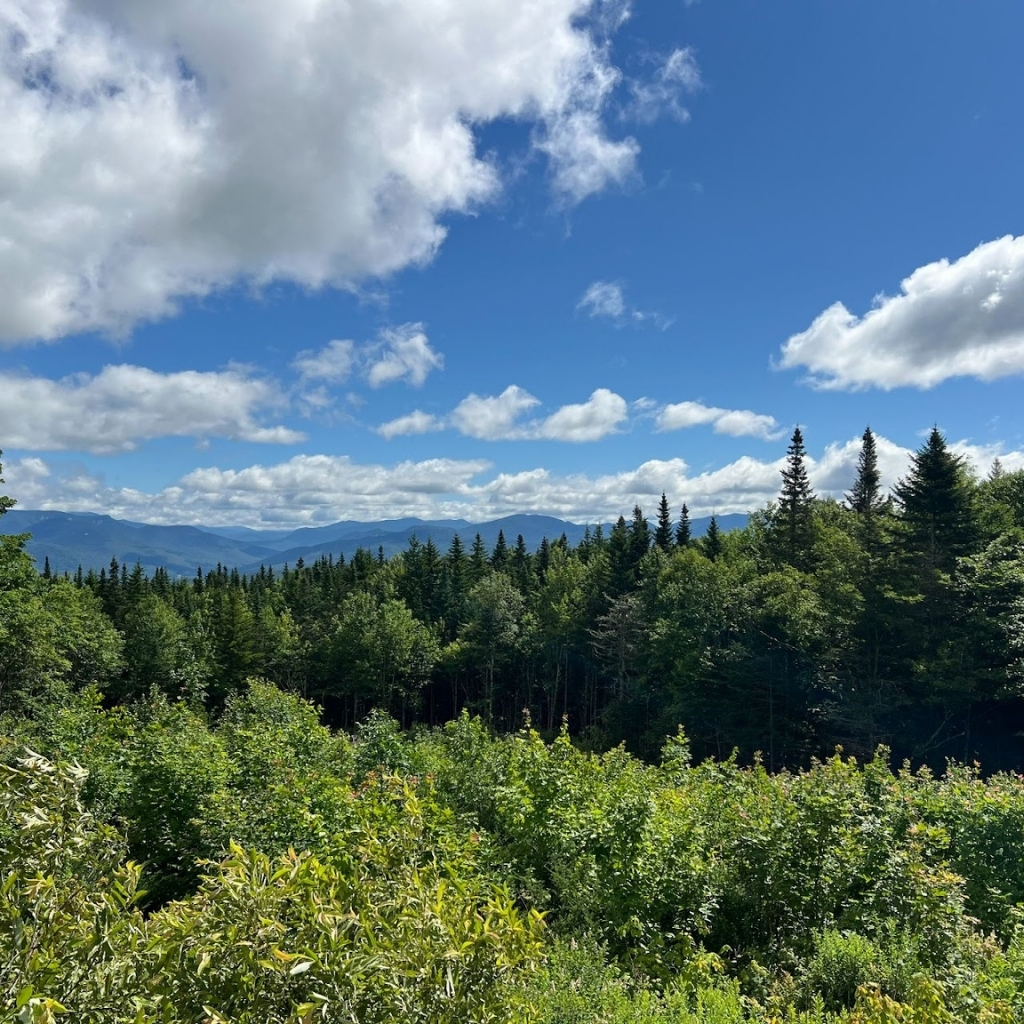
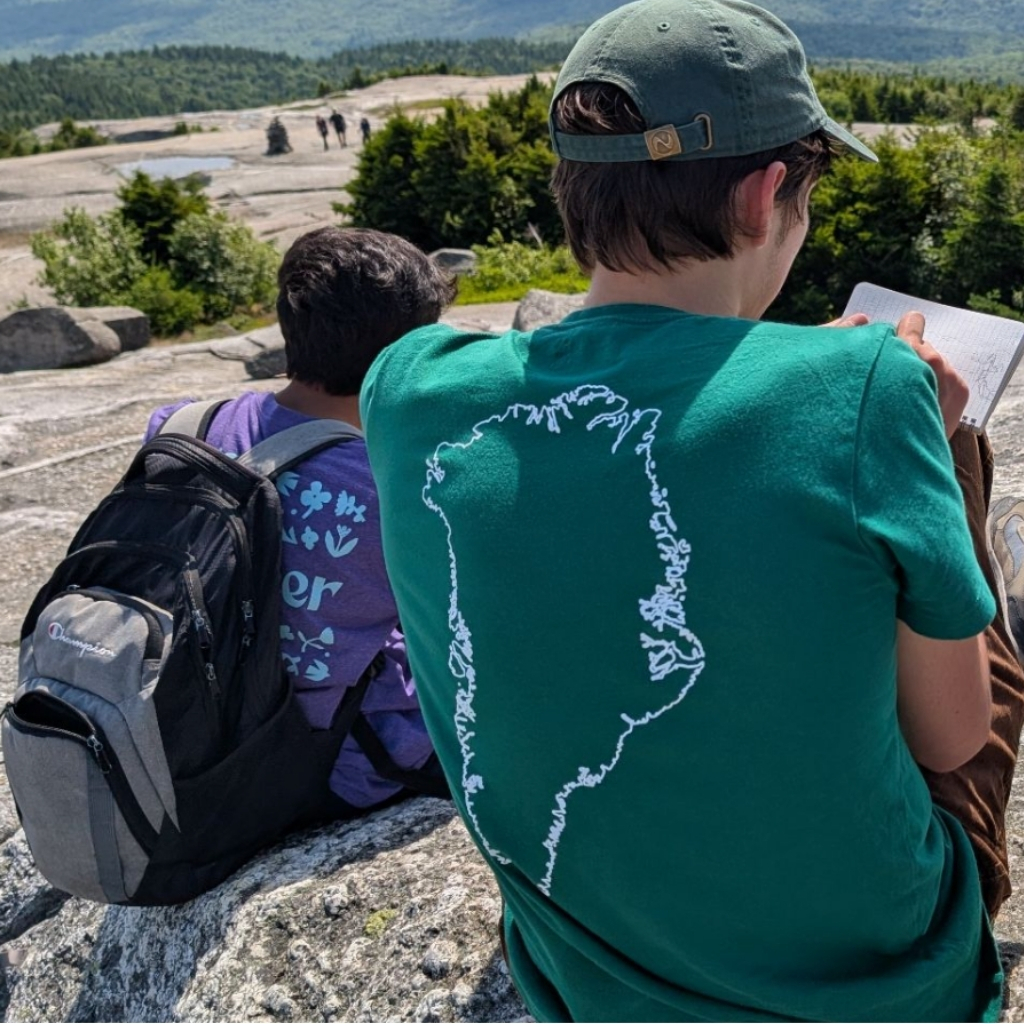
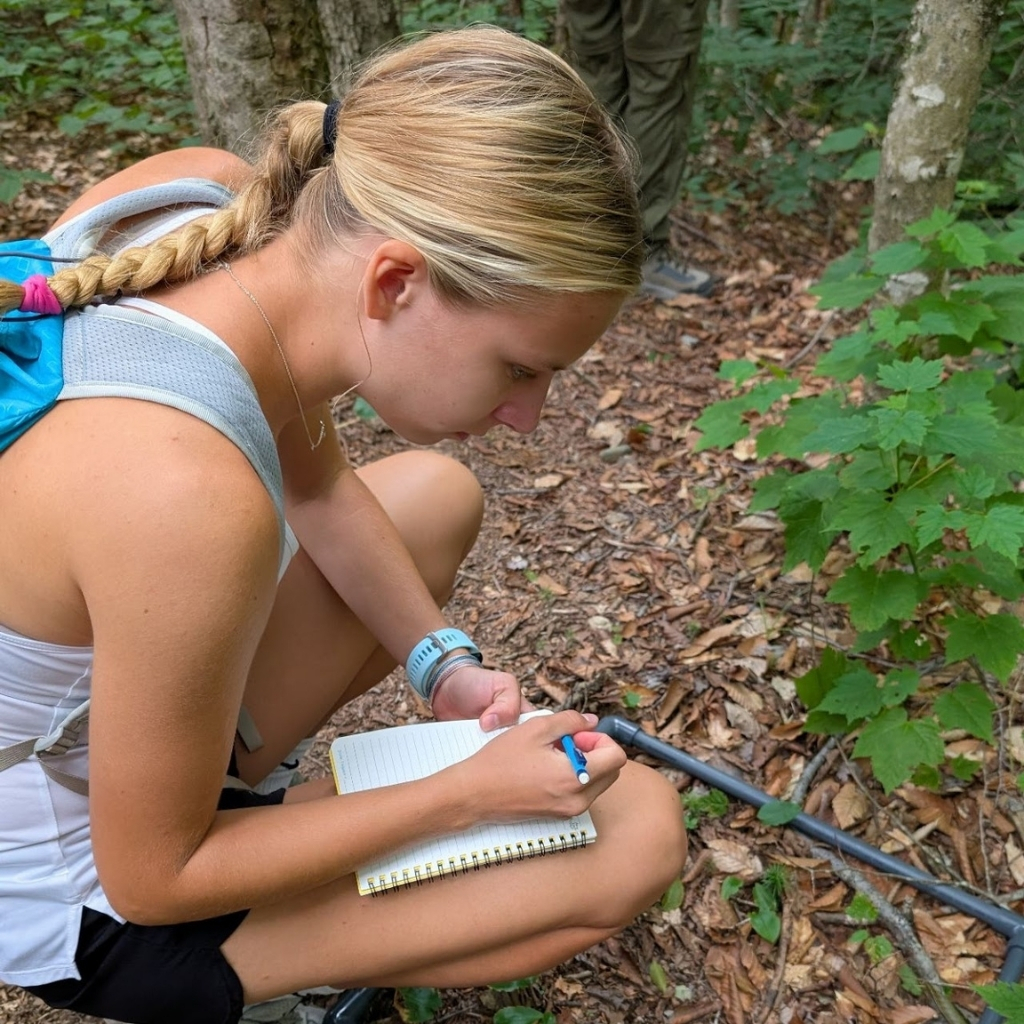
There is a lot of talk in science educator circles about phenomena-based discovery. When we move our learning outside, phenomena surround us in very tangible and observable ways. On a short hike up Gile Mountain, framed with the open-ended goal for students to record their observations and questions in field notebooks, students experienced the same location in a myriad of different ways.
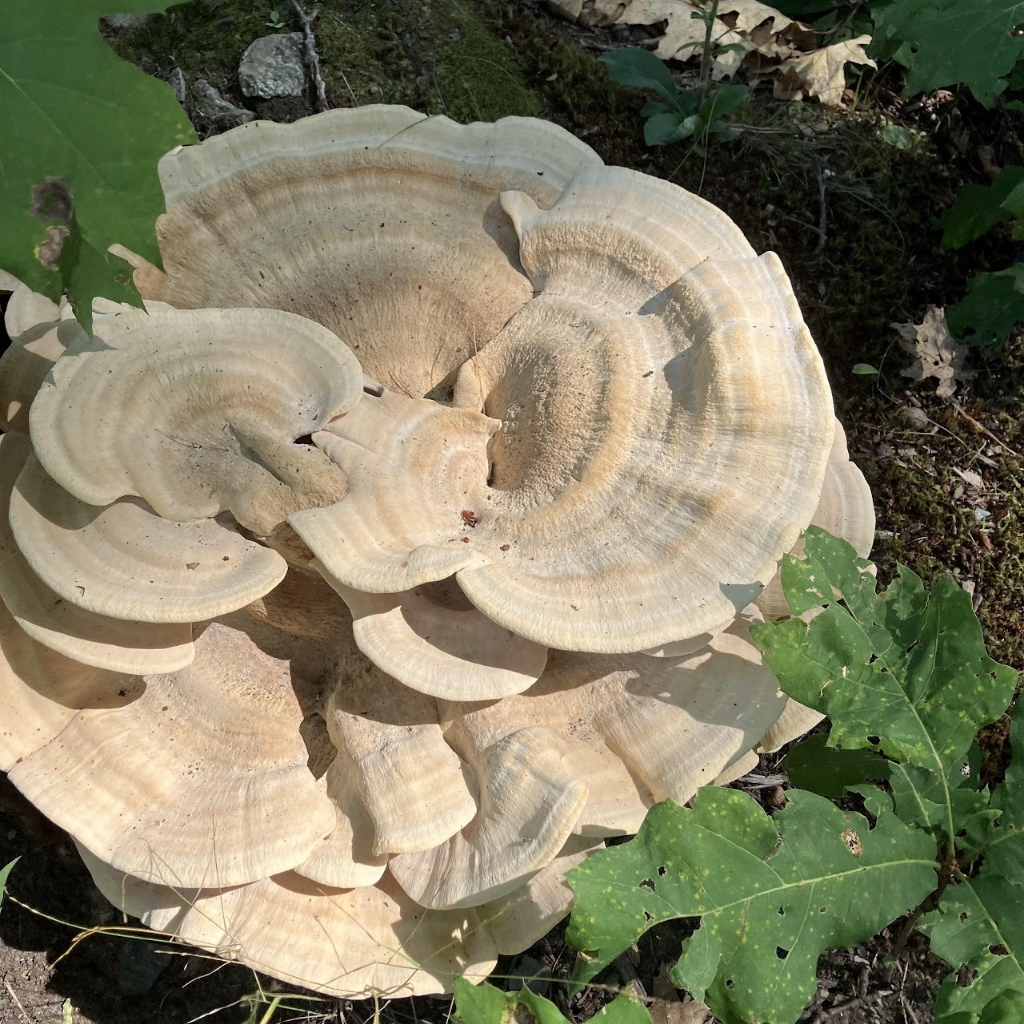
There were questions about mushroom habitat, insect distribution, bedrock type, tree health and growth patterns, local history and land use, and mountain and valley formation, to name a few. With the phenomena as our backdrop, each student engaged with the parts of the natural world that most engaged them.
Outdoor Learning’s Transferable Skills
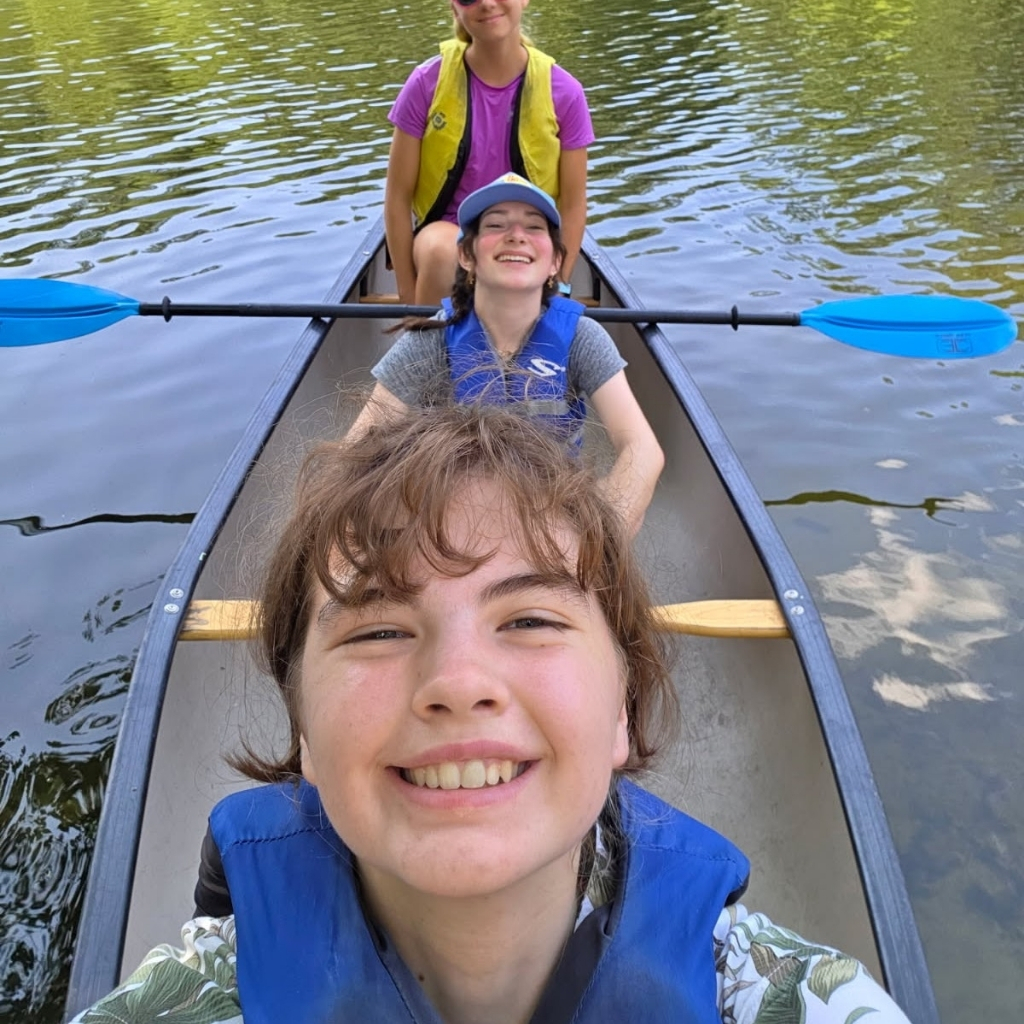
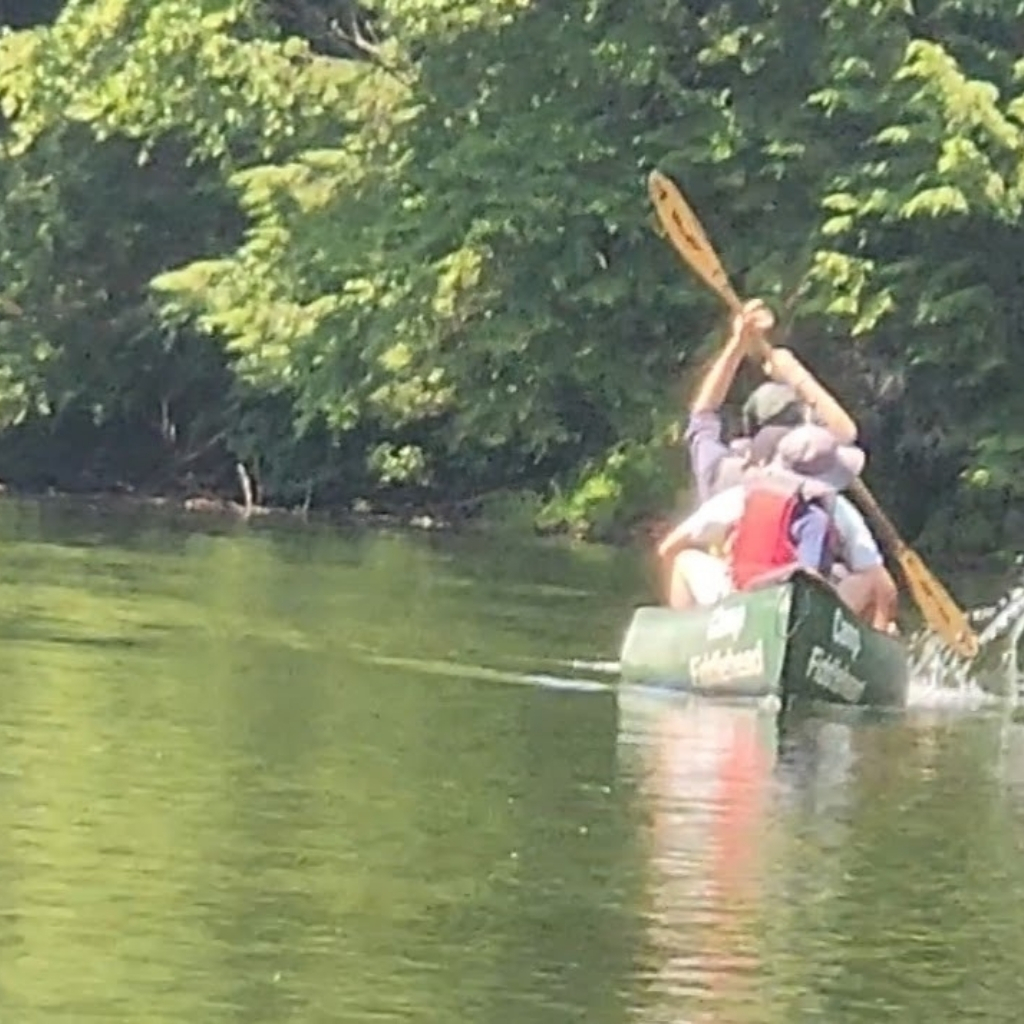
Collaboration, problem solving, communication, and perseverance are all relevant, real-world skills that have a natural fit in outdoor learning. These skills were highlighted as student teams paddled across Storrs Pond in canoes.
Experimentation, collaboration, and communication were on display in real time as students grappled with the challenges of collectively navigating effectively. Despite early mishaps and circular maneuvers, teams were soon able to navigate the pond and collect lake samples.
Promoting Well-Being with Outdoor Learning
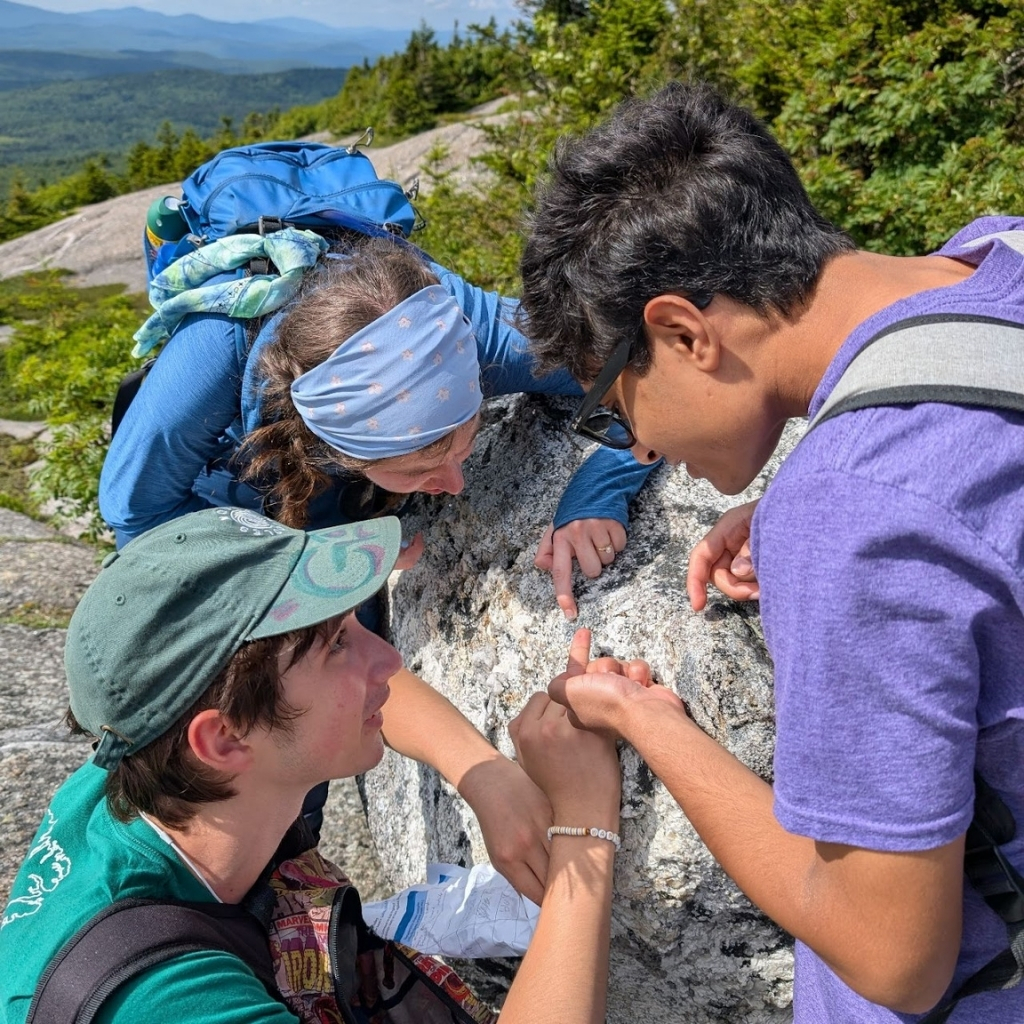
Fresh air, movement, and sunlight naturally boost both physical and emotional well-being. We challenged our students by climbing Cardigan Mountain, a 3,000-foot peak in the White Mountains. During our hike up, we stopped regularly to collect biodiversity data. Our academic goal was to track changes in the variety and abundance of plants as we went up in elevation.
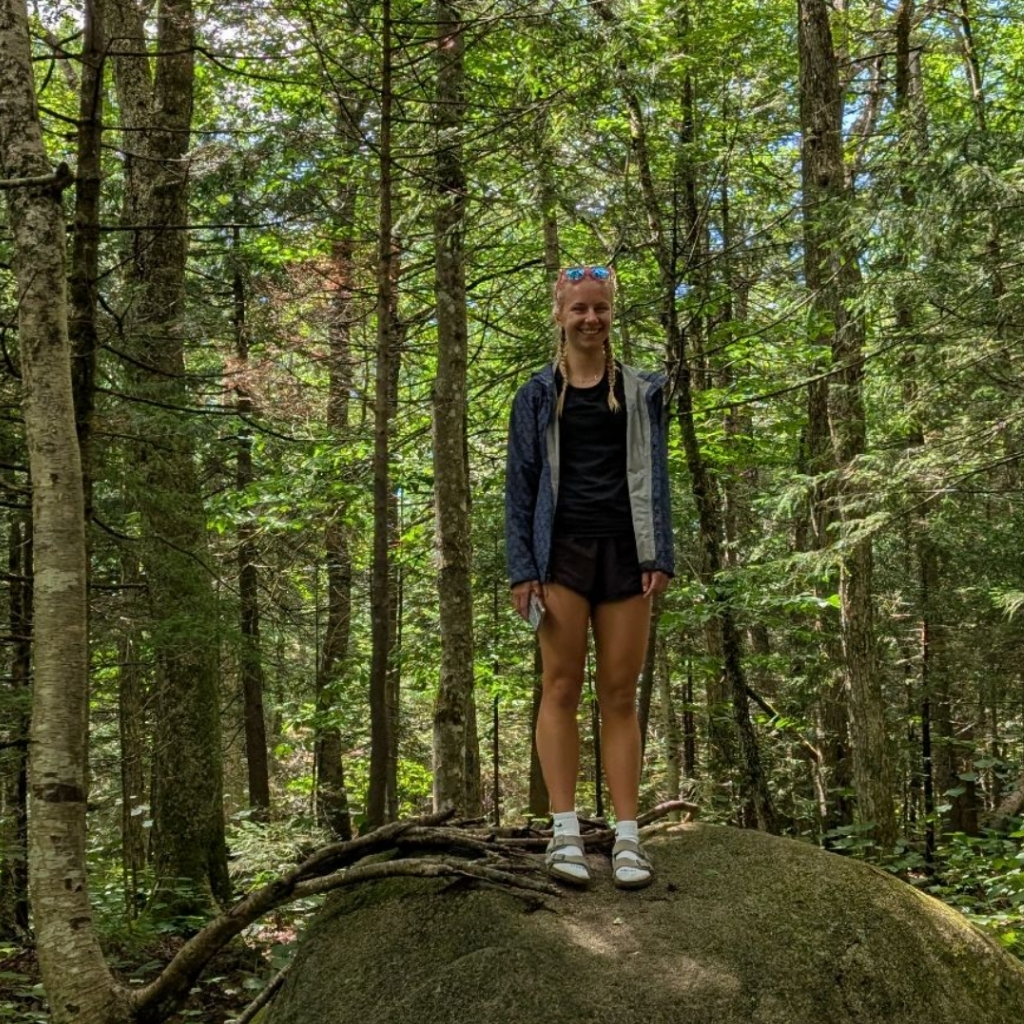
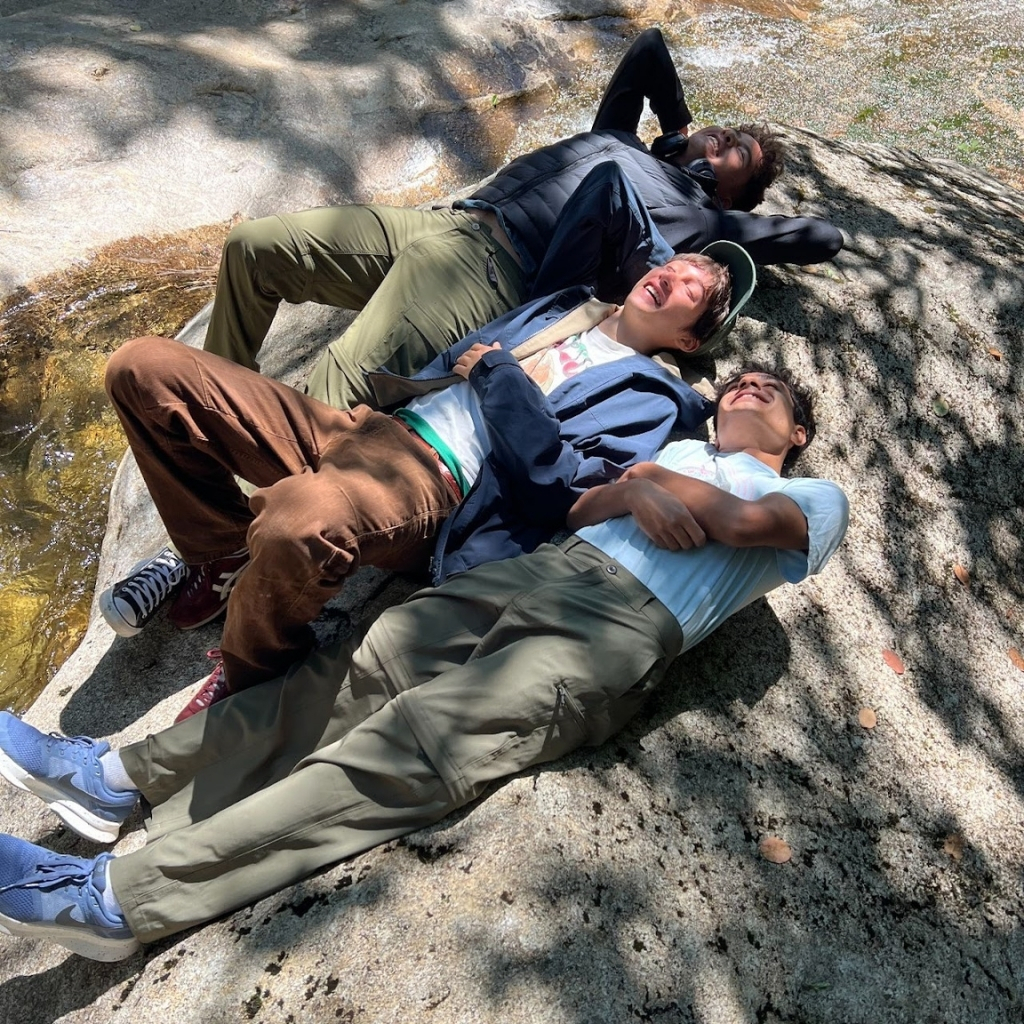
These regular stops were essential for the science inquiry and also provided automatic and regular breaks. This allowed all participants to complete the hike without feeling like they were unable to keep up or were holding up the team. At the top of the mountain, there were different reactions. One girl laid down, spread-eagled on a flat rock, and exclaimed, “I made it,” just wanting to relax and enjoy the moment. Others posed on top of boulders and slickrock for hero shots befitting any social media page.
Connection to Our Planet
No matter your age, background, or beliefs, Earth is our shared home — a living, evolving planet that connects us all. It is this unusual rocky sphere covered with water and blanketed in a thin atmosphere that has managed to initiate, foster, and support life as we know it. This seasoned planet has revolved around the sun more than 4.5 billion times, and it has witnessed the rise and fall of trilobites, dinosaurs, and woolly mammoths. Its continents have shifted, and its glaciers have surged and receded.
Outdoor learning shows students that this planet is dynamic and resilient. It is beautiful and it is evolving. It is a part of our human fabric that we must learn to understand, respect, and protect. This understanding is most direct when we are willing to put ourselves in these natural spaces and remain open to the lessons our planet can teach us.
Start Your Own Outdoor Learning Journey
Inspired to take on outdoor learning yourself? Here’s how you can get involved:
- Students and Families, if you are or know a high school junior who would be interested in participating in ASED/JSEP, check out this year’s blog posts and our website for information to apply.
- Educators, if you would like to increase your confidence in teaching outdoors safely and effectively, and experience and design accessible, inclusive outdoor learning experiences for many grade levels and subject areas, consider attending Nature as a Co-Teacher: Expanding Your Classroom Beyond School Walls.

Erica Wallstrom is a senior associate with the Great Schools Partnership. She joined the GSP team after 15 years working as an working as a science teacher, internship mentor, capstone instructor, and director of student engagement in Rutland, Vermont.
Her professional passion lies in thinking outside of the box in order to provide students with engaging, real-world learning opportunities where they become authentic agents for change. Erica has also held two fellowships: the Rowland Foundation Fellowship and the Albert Einstein Distinguished Educator Fellowship. During these fellowships, Erica worked collaboratively with international teams to connect student learning to both content area standards and to transferable skills.
Erica received a BA in geology from Carleton College and then went on to earn both an M.A.Ed in curriculum development and a principal licensure from Castleton University.