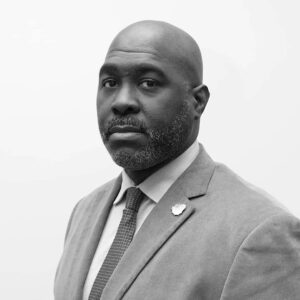
By Clyde Cole

In the 2024-2025 academic year, I had the privilege of working on four distinct BIPOC affinity groups for Great Schools Partnership (GSP), each serving a vital role in supporting professionals across various educational and professional sectors. These groups provided essential spaces for community building, shared learning, and personal growth among Black, Indigenous, and People of Color. While each group had its unique focus and participant demographics, they shared fundamental commonalities that fostered impactful engagement.
Affinity Groups for Districts and States
One of the groups was for teachers, counselors, and other educators in New Hampshire. This local initiative was a collaborative effort, with Krystal Bravo, Danielle Pierre, and I serving as co-leads. Together, we cultivated a supportive environment where educators could openly discuss the unique challenges and triumphs of their profession within their school district.
Simultaneously, I spearheaded an affinity group reaching a much broader audience: teachers, counselors, school leaders, and statewide education leaders across nearly 50 schools in Washington State. This expansive group required significant coordination, and I was fortunate to have the invaluable assistance of Christina Balkaran, Darthula Mathews, and Melanie Shivraj whose support was crucial in managing the diverse needs and perspectives of participants from across the state.

Leading Affinity Groups for DEW and GSP
Beyond direct educator support, I also contributed to a crucial initiative focused on systemic change. I assisted with an affinity group that was part of our Diversifying the Educator Workforce (DEW) Collaborative, a collaboration involving school district and state education leaders, CBO leaders, and higher education leaders. In this capacity, I supported the two co-leads, Darthula Mathews and Danielle Pierre, in facilitating discussions aimed at addressing the underrepresentation of BIPOC individuals in K-12, post-secondary, and non-profit spaces throughout New England.
Finally, I took on the leadership of an affinity group specifically for the staff of Great Schools Partnership. Launched by Canopy Equity Coaching in September 2023, this internal group provided a dedicated space for GSP’s BIPOC employees. This initiative underscored GSP’s commitment to fostering an inclusive environment within our organization and I hope to see it continue.
Shared Strengths and Areas for Growth
Building Community in Affinity Groups
Despite their varied compositions and objectives, all four affinity groups shared core practices that contributed to their effectiveness. A consistent and paramount element in every session was community building. We understood that creating a sense of belonging and psychological safety was foundational for authentic engagement. Participants were encouraged to connect, share experiences, and build solidarity with one another. This was particularly important because all the participants experienced a sense of isolation in their workplaces. Furthermore, the content of our sessions was always a thoughtful blend of work topics, personal topics, and current events. This holistic approach ensured that discussions were relevant to professional challenges, personal experiences, and the broader societal context impacting BIPOC communities.
Tools to Enrich Affinity Groups
To enrich our conversations and provide common ground for discussion, we consistently made use of book excerpts, articles, or other resources. These materials served as springboards for deeper reflection and provided valuable frameworks for understanding complex issues. Crucially, the discussions within these groups always balanced the weight of experience; there was always a mix of sharing negative experiences and having positive, hopeful, and inspiring conversations. This balance acknowledged the realities of systemic challenges while also fostering resilience, hope, and strategies for positive change.
How Affinity Groups Could be Improved
While the groups achieved significant successes in fostering connection and dialogue, there were clear areas where improvements could have enhanced their impact even further. The most consistently cited challenge was the perennial lack of time. Sessions consistently felt too short to delve as deeply as participants wished, and there were simply too few sessions throughout the year to maintain consistent momentum and build robust connections. This limited duration often meant that nuanced discussions had to be curtailed, or follow-up conversations were delayed.
Another significant area for improvement was attendance. While those who attended were highly engaged, I consistently wished for broader participation and more consistent attendance across all groups. Higher and more stable attendance would have enriched discussions with a wider array of perspectives and strengthened the overall sense of community and shared purpose within each group. Addressing these logistical constraints in future iterations would undoubtedly amplify the profound impact these vital affinity groups have on BIPOC educators and leaders.

Continuing the Work Outside of Affinity Groups
For more information on GSP and Racial Affinity Groups, please visit GSP’s Racial Affinity Groups: Guide for School Leaders. You can also reach out to GSP about partnering with us to build an affinity group practice in your school.
If you are ready to continue this work by learning how to best support educators of color, the author of this blog, Clyde Cole, is hosting a book club in October on The Antiracist Roadmap to Education Equity by Dr. Bren Elliott and Dr. Avis Williams. Spots are limited, so sign up today!