As the person expected to model learning for everyone else in the building, the principal is often the loneliest learner in the school.
This is why principals need safe, collective learning spaces outside their own schools – to sustain not just effective leadership, but humane leadership.
A day in the life of a principal…
7:00am. The principal arrives early, as usual – a few stolen minutes before the day begins. But a worried teacher is already waiting at their office door.
8:00am – 4:00pm. Meetings, problems, people.
6:00pm. They sink into their chair. Several tasks on today’s list are untouched. An exchange with a teacher is still circling in their head. A pointed question from an earlier meeting is still sitting in their gut. The weight of hiring decisions, upcoming results, strategic planning, culture work, and looming deadlines settles in.
This rhythm will be familiar to many principals. The details vary — the specific worries, the particular faces — but the shape of the day rarely does.
So who does the principal call when they need to regroup? To process the complexity of it all? To bounce ideas off of?
The principal is, in most schools, the only person doing exactly what they do. Assistant principals, deans, and teacher leaders offer vital support – but the accountability is theirs alone. Their supervisor is available, usually off-site, by call, email, or scheduled meeting – and the relationship, however supportive, is rarely without some political stakes.
Why learn together?
Of course, a principal has many ways to learn and grow as a leader. There are countless books, articles, blogs, and podcasts out there. Most districts, charter networks, and other school systems have in-house PD as well. However, reading or listening on one’s own, without a space to process the ideas and create a shared language for dilemmas, does not do much to reduce isolation.
In-house PD does create a collective learning space – but frankly, it’s not often that it is actual professional development; more like administrator meetings with directives and initiatives. Regardless, the repertoire of responses to recurring and common challenges is fairly narrow because everyone is swimming in the same proverbial fishbowl.
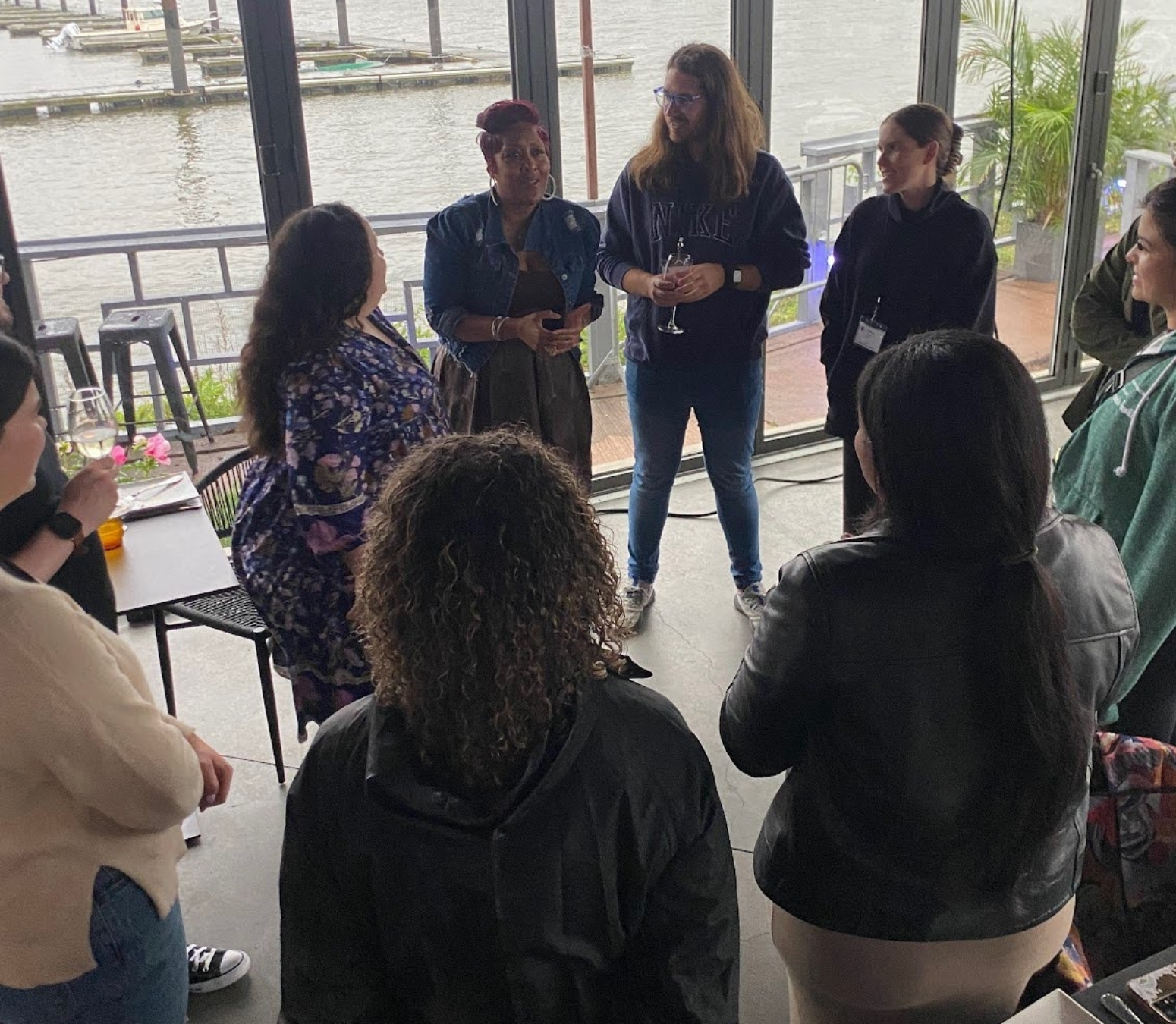
Since we’re in education and we love to talk about results, let’s consider outcomes of building safe, collective learning spaces for school leaders. When school leaders have these spaces to learn together, research points to several positive outcomes (Lambert & Bouchamma, 2021; ISTE, 2022):
- Reduced isolation; increased psychological safety
- Deeper reflection & improved problem solving
- A stronger sense of professional identity and integrity
But here’s one additional outcome that may surprise you: There’s a trickle-down effect. When school leaders have safe spaces, their well-being and sustainability improve, teacher retention is higher, and student outcomes get better (Lambert & Bouchamma, 2021; UVA Partnership for Leaders in Education, 2024). It’s genuinely WIN-WIN-WIN!
You might be wondering how all that happens from just “learning together”. Let’s see what a safe space and learning together look like and why it’s so powerful.
Truly “Safe” Collective Learning Spaces
A truly safe collective learning space does not just mean comfort. It means trust, honesty, and confidentiality – leaders knowing that what they are sharing will not be shared or judged. That also means participants are role-alike, non-evaluative peers who can hold space for each other, not power over one another.
Of course, this space needs to also be separate from the daily grind and the internal politics of their role. This kind of regular, non-hierarchical interaction helps leaders co-construct knowledge and test out ideas safely. It also aids in their transfer of new ideas back to their school. All this means their competence goes up, and they can make better sense of the complexity that is school leadership (Lambert & Bouchamma, 2021).
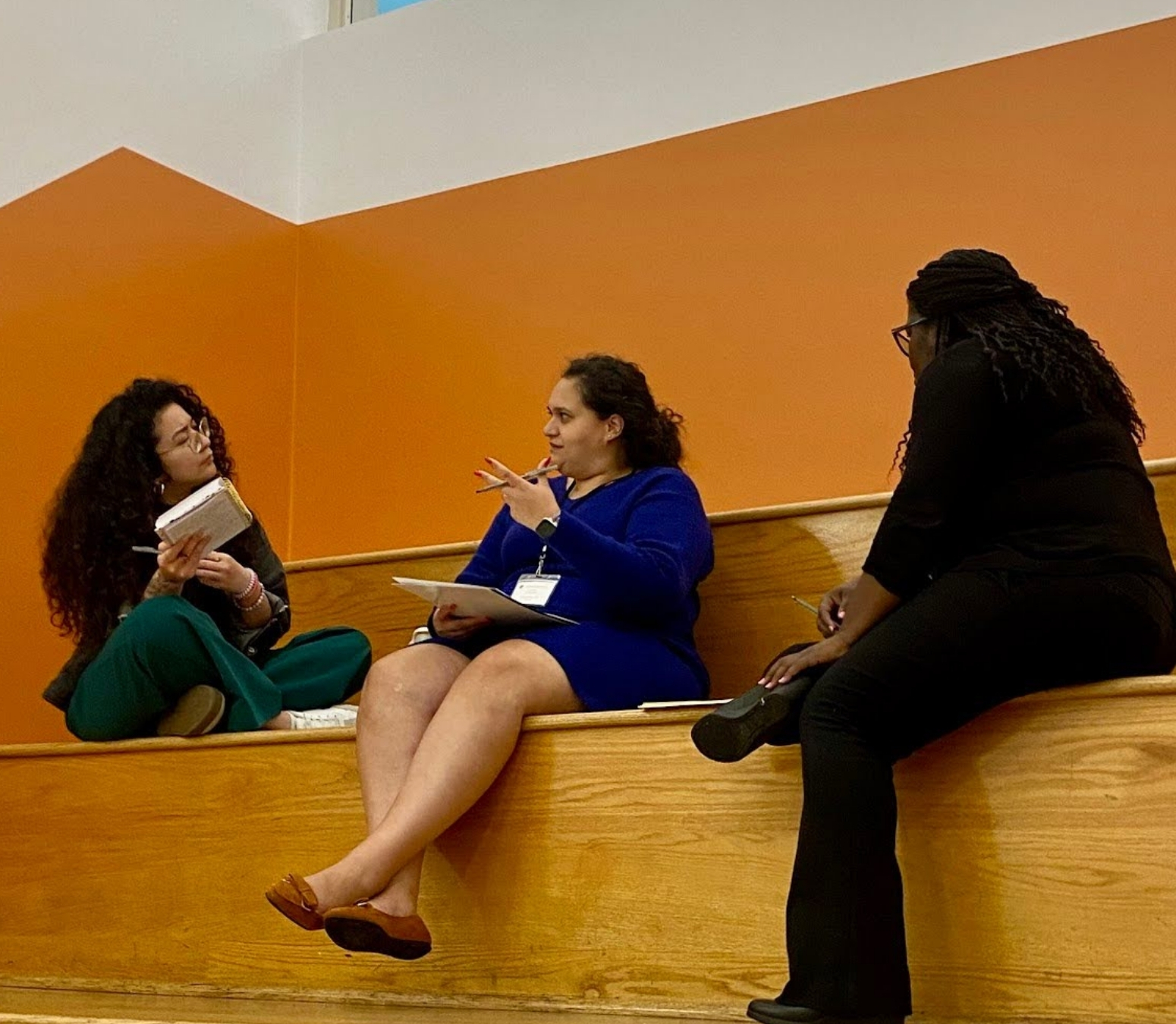
The emphasis throughout any safe space is on mutual growth and vulnerability. Ideally, these spaces offer both “instructive” and “affective” support. That is, leaders are supported in a technical sense (aka, help solving school problems) but also in a human sense, (aka, in an emotional and personal way). When school leaders receive both types of help, they can stay in the game longer (Lambert & Bouchamma, 2021).
To that end, there are typically structures that prioritize listening, inquiry, and reflection over performance; these could include protocols, norms, and other tools. These structured opportunities for peer dialogue help in various aspects of leadership, such as knowledge and skills, judgment (decision making), and alignment with values (integrity)(Lambert & Bouchamma, 2021).
To be clear, when we say “psychological safety”, that doesn’t mean a space school leaders just vent. Rather, we mean a place where leaders can set down performance expectations, be real about what’s happening, identify where they need support, and focus on growth-oriented challenges (not all the other challenges they’re usually facing).
Types of Collective Learning Spaces for Principals/School Leaders
When looking for a collective learning space, it helps to know a few key pieces of information:
- How do they structure their program/offering?
- How do they create or support learning?
- How often do they have touchpoints (and are those virtual or in-person)?
Other Ways to Learn
Collective learning has so many benefits and is available in so many formats. Connecting with other school leaders and engaging in safe spaces to grow and learn in mutually beneficial ways is invaluable for one’s professional growth, but also sustainability in an inherently challenging role. Still, it’s not for everyone. There are other ways to have a safe space to learn as a school leader, the primary one being one-to-one coaching.
Individual coaching offers a different kind of safety and depth: it’s completely personalized professional development. Often, there will be identity work, emotional processing, and conversations about sustainability. Where collective spaces offer shared sense-making and belonging, coaching offers intimate, individualized work.
Collective Learning Spaces in Practice
Principals have incredible responsibility and amounts of work to do, and they are usually the only one in the building with that exact combination of accountability – that’s the nature of the role. But that doesn’t mean they need to do it alone all the time.
By participating in collective learning spaces, school leaders can put themselves in a position to step back, learn, explore without judgment, connect with others in similar roles, and come back more resilient and creative for the schools they love and serve.
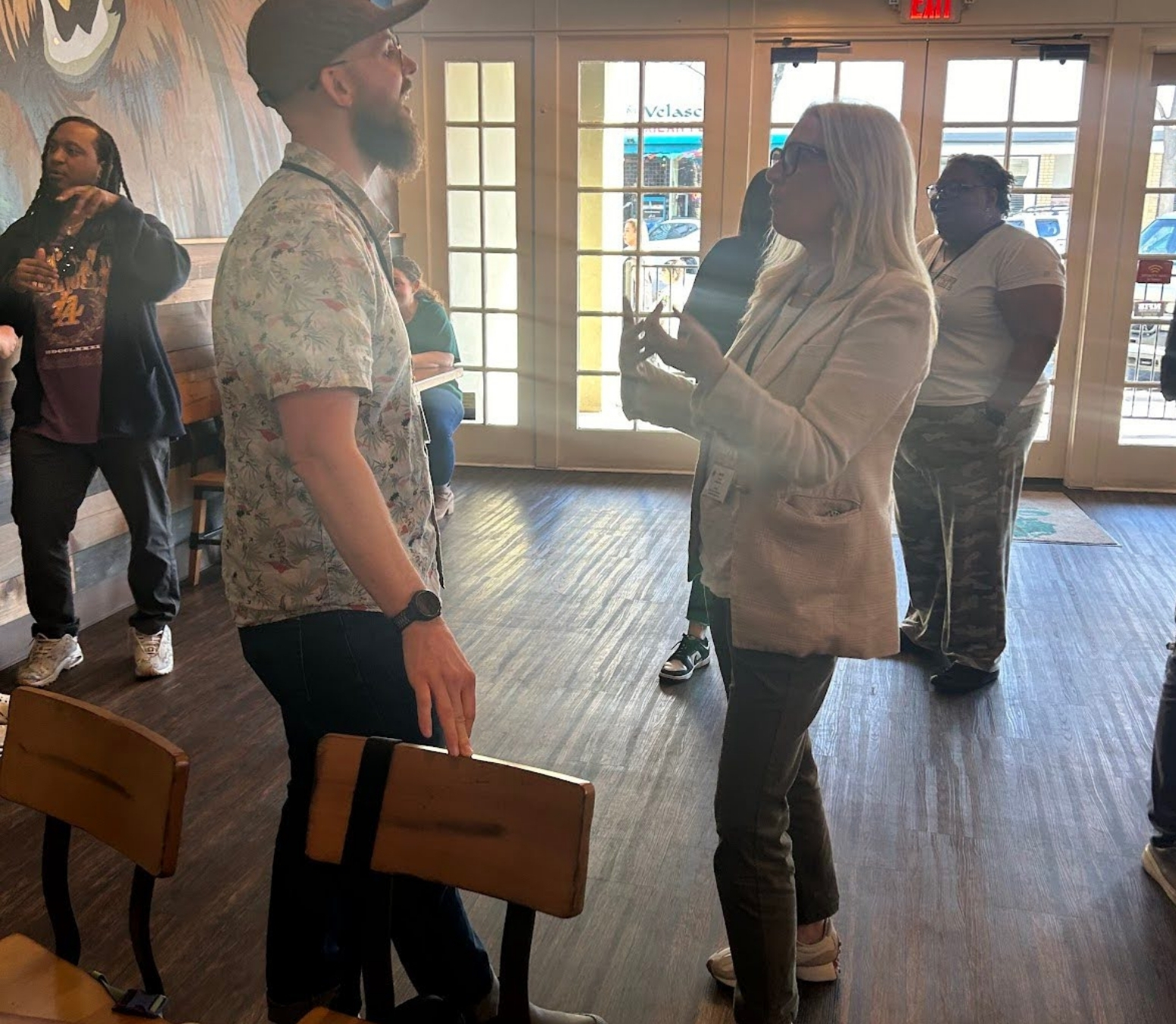
🤠Are you a school principal? What’s one safe, collective learning space you have to stay sustained in the work?
💁🏽♀️Do you support school leaders? What investment can you make to facilitate, prioritize, or protect collective learning spaces for school leaders?
About the Author
Kalpana is a seasoned educator and Building Leaders Leadership Coach & Educational Consultant with 25 years of experience serving public schools and education nonprofits across the United States, Australia, South Africa, and Japan. She is passionate about helping school and nonprofit leaders sustain themselves while driving lasting impact and advancing educational equity.