
by Kate Gardoqui & Jean Haeger
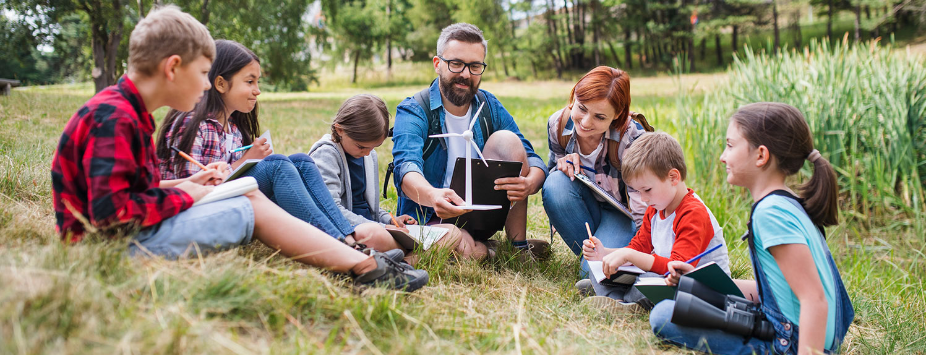
Outdoor spaces are safer than indoor spaces when it comes to the transmission of COVID-19. This fact may inspire schools to explore outdoor learning options for the fall as a way to allow some in-person contact among students and teachers while keeping everyone as safe as possible. This approach, which was used by New York schools during a tuberculosis epidemic in 1915, has many benefits. Regular contact with nature, even in the context of a small schoolyard or garden, can improve students’ physical fitness, mental health, academic achievement, and cognitive, social-emotional, and motor functions. In stressful times, outdoor learning could support students’ and teachers’ mental health while enabling teachers to push students’ thinking and creativity.
The resources below are intended to help schools think through approaches to outdoor learning or select units that can be taught (at least in part) outdoors.
Why Teach Outdoors?
| Resource | Description |
|---|---|
| Schools Beat Earlier Plagues With Outdoor Classes. We Should Too. | This article from the New York Times describes outdoor classrooms from 1915 and discusses modern approaches to and possibilities for outdoor learning. |
| Children & Nature Network Tools and Resources | This page has fact sheets on the benefits of outdoor learning and an extensive resource library of studies on the effects of nature connection. |
| Outdoor Classrooms in the age of COVID-19 | This article from Education Week lists pros and cons along with quotes from teachers who have moved traditional lessons outside. This article points out that outdoor learning does not have to mean learning about the outdoors; it can just mean being outdoors while learning. |
Resources for Schools
| Resource | Description |
|---|---|
| National COVID-19 Outdoor Learning Initiative | This webpage shares information for the new National COVID-19 Outdoor Learning Initiative from Green Schoolyards America. |
| Inside-Outside New England Resource Document | Read a statement about the value of outdoor learning for students of all ages. This statement includes links to two videos of school-based outdoor programs. Although the videos themselves are about elementary programs, the second one in particular gives some examples that are applicable to secondary schools as well. |
Resources for Teachers (All Subject Areas)
| Resource | Description |
|---|---|
| Promise of Place | This is a searchable clearinghouse of curriculum resources. It was created by the Center for Place-based Learning and Community Engagement, a unique public-private partnership that works to advance place-based education by facilitating collaborative efforts in research, program design, technical assistance, resource development, and dissemination. |
| Project Learning Tree | Check out the curriculum materials and other resources. Also, learn about the GreenSchools program. |
| 10 Tips for Teaching Outside the Classroom | Here you will find thoughtful and practical pointers for any teacher thinking of moving their instruction outside. |
| Certificate in Nature-Based Early Childhood Education | The Nature-Based Early Childhood Education Certificate program in the Department of Education at Antioch University New England trains teachers, administrators, and founders of nature preschools and forest kindergartens. |
Resources for Teachers (Subject Specific)
Math
The units below are all from the Performance Assessment Resource Bank from SCALE, a project at Stanford University. You have to sign up for a free account in order to access the units.
| Resource | Description |
|---|---|
| Garden Boxes | A basic geometry unit that designs garden boxes or raised beds. |
| Drawing To Scale: A Garden | A couple of lesson plans about drawing to scale while planing a garden. |
| Dog's Play Area | A two-week geometry unit for high school. The premise is keeping a dog away from a garden. |
History
| Resource | Description |
|---|---|
| Gundalow Company Classroom Resources & Lessons | Lessons and activities about the history of the Portsmouth, New Hampshire region, and the history of gundalows. |
Writing
| Resource | Description |
|---|---|
| Nature Journaling | Curriculum resources from John Muir Laws. Nature journaling is an excellent way to help students practice observation and description skills. Art and ELA standards (and possibly science standards related to observation of phenomena) can be integrated into a nature or gardening journal. |
Science
| Resource | Description |
|---|---|
| Seacoast Science Center Teacher Learning Connection | These activities and assessments include videos of naturalists highlighting the New Hampshire coastal environment while addressing a selection of cross-cutting concepts, science and engineering practices, and literacy skills. Activities vary to appeal to different learning styles and are designed to be completed from a student’s home. |
| Squam Lakes Natural Science Center Curriculum Resources | This website has a wealth of activities about New Hampshire ecology, lakes, and watersheds. It also provides free access to the science center’s book, "50 Nature Activities for Kids." |
| Gundalow Company Classroom Resources & Lessons | Lessons and activities about watersheds and marine science. |
Gardening, Agriculture, and Equitable Food Systems
| Resource | Description |
|---|---|
| Collective School Garden Network | An article with practical ideas about how to integrate gardening into various subjects areas. |
| VT FEED | A database of lesson plans about agriculture, food justice, nutrition, and ecology. |
| Edible Schoolyard Project | A wealth of class activities for sixth graders. |
Nature Connection
| Resource | Description |
|---|---|
| FindingNature.org User-Generated Resource List | A wealth of activities from environmental education programs across the country. |
| Last Child in the Woods Resource Guide | Backyard activities. |
| Children & Nature Network - Thriving Through Nature | This resource does not have detailed lesson plans, but it does have ideas and suggestions for activities. |
| Curriculum Materials from Wild Earth | This blog contains a wealth of full lessons and instructional videos from Wild Earth, a nature connection program. |
This resource was compiled with assistance from Serena Galleshaw, student of urban planning at University of Southern California, as well as Esperanza Gonzalez and Alisha Mai McNamara of Wild Earth.